




Vitamin C Champion
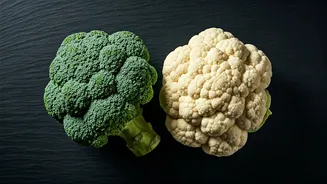
When it comes to boosting your immune system and keeping your skin healthy, vitamin C is a vital nutrient. Broccoli takes the lead here, offering a substantial
135% of the daily recommended intake per 100 grams. Cauliflower is no slouch either, providing a respectable 91% of the daily value for the same serving size. Both are excellent sources, but if maximizing vitamin C is your goal, broccoli has a slight edge in this essential vitamin.
Fiber for Digestion
Maintaining a healthy digestive system and feeling fuller for longer are key benefits of dietary fiber. Broccoli delivers approximately 2.6 grams of fiber per 100 grams, contributing significantly to daily fiber needs. Cauliflower, while still a good source, offers about 2 grams of fiber for the same quantity. While both contribute positively to digestive health, broccoli offers a bit more fiber to support your gut.
Antioxidant Powerhouses
Both broccoli and cauliflower are rich in antioxidants, those crucial compounds that combat cellular damage from free radicals. Broccoli is particularly celebrated for its high levels of sulforaphane, a potent antioxidant with numerous studied health advantages. Cauliflower also contains beneficial antioxidants, such as indole-3-carbinol, which may offer its own set of health perks. Incorporating either into your meals means you're welcoming these protective elements into your diet.
Mineral Make-up
Essential minerals like calcium and potassium are found in both these vegetables, though in varying amounts. Broccoli is a better source of calcium, providing about 47 milligrams per 100 grams compared to cauliflower's 22 milligrams. Conversely, cauliflower offers a slightly higher potassium content, around 316 milligrams per serving, whereas broccoli provides approximately 299 milligrams. These mineral differences are subtle but contribute to their unique nutritional profiles.