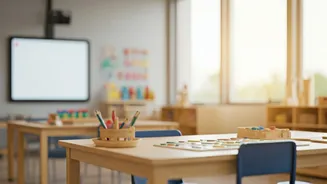

Embracing Inclusive Classrooms
Building an inclusive classroom environment is crucial for ensuring that every student feels valued, respected, and supported. This encompasses various
strategies, including accommodating diverse learning styles, promoting a sense of belonging, and acknowledging cultural differences. Consider implementing differentiated instruction, which involves tailoring lessons to meet individual student needs. This could mean providing different levels of support, modifying assignments, or offering alternative assessment methods. It is also important to create a classroom culture where diversity is celebrated, and students are encouraged to share their unique perspectives. Encourage open communication and feedback, allowing students to voice their needs and concerns. Moreover, ensure that the curriculum and teaching materials reflect the diversity of the student population, promoting a sense of representation and belonging. Regularly assess and reflect on the inclusivity of the classroom environment, making adjustments as needed to ensure all students can thrive. It is essential to continuously seek professional development to enhance your understanding of inclusive practices and learn new strategies to support diverse learners.
Expanding Educational Access
Expanding access to learning is a multifaceted approach that aims to remove barriers preventing students from pursuing education. It involves addressing issues such as financial constraints, geographical limitations, and systemic biases. One crucial aspect of this is offering financial aid, scholarships, and grants to assist students from low-income backgrounds. Furthermore, consider initiatives that facilitate online learning, such as providing access to reliable internet and devices. Develop flexible learning options, including online courses, evening classes, and blended learning models. This flexibility caters to diverse schedules and circumstances. Actively seek partnerships with organizations that provide resources and support for students. These could range from tutoring services to mental health counseling. Advocate for policies that promote equal access to education at local, regional, and national levels. Regularly evaluate the effectiveness of these efforts, adapting strategies as needed to maximize the impact. Ensure that educational opportunities are accessible to all, irrespective of socioeconomic status, location, or background.
Technology in Education
The role of technology in inclusive education is transforming learning experiences, providing new ways to support and engage students. Technology offers a plethora of tools to accommodate various learning needs. Interactive whiteboards, educational apps, and online resources can make learning more interactive and engaging. Consider assistive technologies such as text-to-speech software, screen readers, and speech-to-text programs. These help students with disabilities to access and understand educational materials more effectively. Integrate technology into lesson plans to create blended learning environments, combining online and offline activities. Use educational platforms that allow for differentiated instruction, providing tailored content and support. It is also crucial to ensure all students have access to the necessary technology and internet connectivity. Provide ongoing professional development to teachers, helping them to effectively integrate technology into their teaching practices. Constantly evaluate the impact of technology on student learning, making adjustments as needed to optimize its potential.
Empowering Educators and Institutions
Empowering teachers and institutions is paramount in fostering a supportive and effective learning environment. This involves offering ongoing professional development, providing resources and tools, and fostering a culture of collaboration and innovation. Provide teachers with opportunities to enhance their skills in areas such as differentiated instruction, inclusive teaching practices, and technology integration. Equip educators with the necessary resources, including access to quality curriculum materials, technology, and support staff. Encourage collaborative practices, creating opportunities for teachers to share best practices, collaborate on lesson planning, and provide peer support. Create an environment that values innovation and experimentation, encouraging teachers to try new approaches and take calculated risks. Recognize and reward educators who demonstrate excellence in teaching, student engagement, and promoting inclusive practices. Encourage leadership at all levels to support teachers and prioritize their well-being. Ultimately, empowering educators creates a positive ripple effect, improving the overall quality of education and promoting student success.