






Cholesterol Clarity
Contrary to a prevalent belief, olive oil isn't a foe to your cholesterol levels. Scientific research suggests a more positive outcome: it can actually
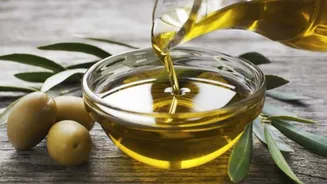
enhance your cholesterol profile. Specifically, olive oil has been observed to boost levels of HDL, the 'good' cholesterol, while simultaneously reducing the oxidation of LDL, often referred to as 'bad' cholesterol. The primary contributors to this beneficial effect are the monounsaturated fatty acids found abundantly in olive oil. When integrated into a well-rounded eating plan, these fats play a significant role in diminishing the risk factors associated with cardiovascular ailments, promoting better heart health overall.
Quality Matters
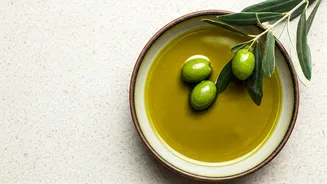
It's a common oversight to assume all olive oils offer the same health advantages. The reality is that the quality spectrum for olive oil is quite broad, influenced by various elements. These include the specific varieties of olives that are harvested, the methods employed during the oil's extraction process, and the geographical region from which the olives originate. At the pinnacle of quality stands extra virgin olive oil (EVOO). This designation signifies minimal processing, allowing it to retain a superior concentration of antioxidants and beneficial nutrients compared to more refined versions. Opting for high-quality EVOO is therefore crucial to maximizing the potential health perks you can gain from its consumption.
Cooking Comfort
A persistent myth suggests that heating olive oil during cooking renders its health-giving properties useless. While some might worry that high temperatures degrade its nutritional compounds, studies indicate a different story, particularly for extra virgin olive oil. It demonstrates remarkable stability even when subjected to moderate cooking temperatures commonly used in everyday kitchens, such as sautéing or baking. This means you can confidently incorporate EVOO into your cooking routine without significantly diminishing its valuable nutrient content. Its resilience makes it a viable and healthy option for a variety of culinary preparations.
Weight Watch Wisdom
The notion that simply consuming olive oil inevitably leads to weight gain is a rather simplistic view. Like any dietary fat, olive oil's impact on weight is contingent on the quantity consumed and its place within an overall balanced diet. The monounsaturated fats present in olive oil can contribute to a greater sense of fullness and satisfaction after meals. This prolonged satiety can be instrumental in managing appetite, potentially leading to a reduction in overall calorie intake by curbing excessive snacking or overeating between scheduled meals. Therefore, mindful consumption is key to leveraging its benefits without adverse effects on weight.