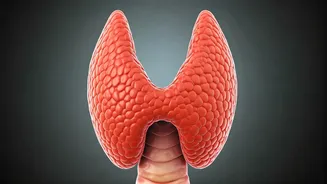








The Thyroid's Influence
The thyroid, a small, butterfly-shaped gland located in the neck, plays a pivotal role in regulating numerous bodily functions, and its influence extends
far beyond just the physical. It governs metabolism, which is the process of converting food into energy, and this process significantly affects the brain. When the thyroid functions optimally, it ensures a balanced hormonal environment crucial for cognitive functions and emotional stability. However, when the thyroid malfunctions, leading to either an overproduction (hyperthyroidism) or underproduction (hypothyroidism) of thyroid hormones, the consequences can be far-reaching, especially in terms of mental health. These hormonal imbalances can disrupt the delicate equilibrium of brain chemicals, leading to a cascade of psychological effects. Therefore, understanding the thyroid's profound influence on mental well-being is the first step toward addressing related issues effectively.
Mood Disorders Unveiled
One of the most common mental health challenges linked to thyroid disorders is mood disorders. Both hyperthyroidism and hypothyroidism have been shown to significantly increase the risk of developing conditions such as depression and anxiety. In hyperthyroidism, the excessive thyroid hormone levels can lead to heightened anxiety, nervousness, and even panic attacks. The body becomes overstimulated, resulting in feelings of restlessness and emotional volatility. Conversely, hypothyroidism can induce symptoms of depression, including persistent sadness, loss of interest in activities, and fatigue. The slowed metabolism associated with hypothyroidism can impact the brain's energy levels, leading to a sluggish and emotionally dampened state. The severity of these mood disturbances can vary, but the relationship between thyroid dysfunction and mood disorders is well-established. Proper thyroid management, therefore, is frequently a crucial component in addressing these concurrent mental health concerns. Identifying and treating the underlying thyroid issue can provide substantial relief from mood-related symptoms.
Cognitive Function Impacts
Beyond mood, thyroid disorders can also have a noticeable impact on cognitive functions. The brain depends on a steady supply of thyroid hormones for optimal performance, and any disruption in their levels can cause several cognitive impairments. Individuals with hypothyroidism often experience difficulties with memory, concentration, and information processing. They might struggle to recall details, feel mentally foggy, and find it challenging to focus on tasks. On the other hand, hyperthyroidism can lead to hyperactivity, racing thoughts, and difficulties in staying organized. The overstimulated brain can struggle to filter out distractions, leading to impaired cognitive efficiency. These cognitive challenges can significantly affect daily life, interfering with work, studies, and social interactions. Addressing these cognitive symptoms frequently involves restoring thyroid hormone balance. This can lead to significant improvements in mental clarity and cognitive abilities, thereby improving overall quality of life.
Thyroid and Anxiety
Anxiety is another prevalent mental health symptom associated with thyroid disorders, specifically in hyperthyroidism. The elevated levels of thyroid hormones can increase the body's physiological responses, leading to physical symptoms of anxiety, such as a racing heart, sweating, and tremors. This heightened state of arousal can make individuals feel constantly on edge, worried, and fearful. Furthermore, the metabolic acceleration associated with hyperthyroidism can trigger panic attacks, where sudden surges of intense fear and physical sensations can occur. These attacks can be debilitating and further exacerbate anxiety levels. In hypothyroidism, the connection with anxiety is less direct but still significant. The general slowing of bodily functions and the lethargy can intensify feelings of worry and unease. The persistent fatigue and lack of energy can contribute to feelings of frustration and hopelessness, which often manifest as anxiety. Effective management of thyroid disorders is therefore essential to control anxiety-related symptoms.
Diagnosis and Treatment
Recognizing the potential link between thyroid disorders and mental health is critical for accurate diagnosis and effective treatment. When individuals experience mood or cognitive changes, healthcare professionals should assess thyroid function by conducting blood tests to measure thyroid hormone levels. This may include measuring thyroid-stimulating hormone (TSH), free thyroxine (FT4), and sometimes free triiodothyronine (FT3). Based on the results, a diagnosis of hyperthyroidism or hypothyroidism can be made. Treatment for thyroid disorders typically involves medication to regulate hormone levels. For hyperthyroidism, antithyroid medications, radioactive iodine therapy, or surgery may be recommended. In hypothyroidism, hormone replacement therapy, usually with synthetic thyroxine, is commonly prescribed. Additionally, mental health support, such as therapy and sometimes medication, may be needed to address accompanying mood and cognitive symptoms. It is essential for patients to work closely with both their endocrinologist and mental health professionals to develop a comprehensive treatment plan that addresses both their physical and psychological needs.