




Bridging Old and New
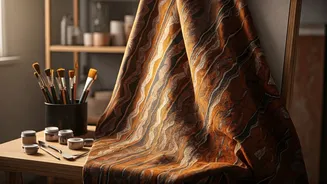
African bogolanfini, widely recognized as mud cloth, is an esteemed traditional textile art originating from Mali. This venerable craft, passed down through
countless generations, is now experiencing a dynamic transformation at the hands of contemporary artists. These creative individuals are skillfully merging time-honored bogolanfini techniques with cutting-edge design concepts. The result is a captivating array of unique creations that beautifully encapsulate both enduring cultural heritage and the pulse of modern sensibilities. Through their innovative approaches, these artists not only safeguard the rich legacy of bogolanfini but also introduce its profound beauty and intricate artistry to diverse global audiences, fostering a wider appreciation for this significant cultural expression. Their work serves as a vibrant bridge between the past and the present, ensuring the art form remains a living and evolving tradition.
Modern Design Fusion
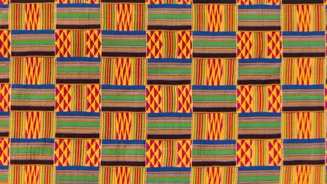
Many artists working today are ingeniously combining the established methods of bogolanfini with contemporary design principles. By incorporating vibrant synthetic dyes and exploring novel pattern arrangements, they are crafting textiles that resonate with a broader spectrum of tastes and preferences. This thoughtful synthesis allows them to preserve the fundamental spirit and aesthetic of bogolanfini while simultaneously making it highly relevant and desirable within the current landscape of fashion and interior design. These artists demonstrate that tradition doesn't have to be static; it can be a dynamic foundation for innovation, leading to pieces that are both culturally rooted and fashion-forward, opening up new markets and avenues for this ancient art form. The intentional blend ensures the visual language of mud cloth continues to speak to modern audiences.
Expanding Artistic Horizons
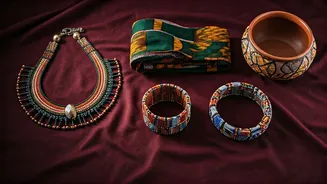
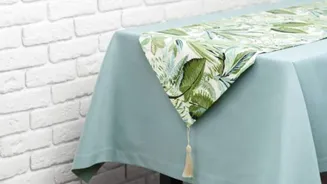
Traditionally, bogolanfini found its primary use in garments and for ceremonial attire. However, contemporary artists are ingeniously pushing the boundaries of its application, extending its presence far beyond these conventional roles. Today, one can encounter bogolanfini beautifully integrated into home decor, chic accessories, and even commanding attention as standalone fine art pieces. This diversification of its use serves a crucial purpose: it introduces the art form into new and unexpected contexts, thereby making it more accessible and fostering a deeper appreciation among a wider variety of audiences. By showcasing its versatility, artists ensure bogolanfini is not confined to history but actively participates in contemporary visual culture, enriching everyday life and artistic expression alike.
Sustainable Textile Practices
A significant movement within modern bogolanfini artistry involves the adoption of eco-conscious and sustainable production methods. Many artists are committed to utilizing natural materials sourced responsibly and employing environmentally friendly dyes in their creations. These practices not only honor the ancestral techniques that relied on natural elements but also actively address the growing global demand for ethically produced and environmentally sound goods. By prioritizing sustainability, these artists contribute meaningfully to the broader movement advocating for responsible consumption patterns. Simultaneously, they are actively engaged in preserving their rich cultural heritage, demonstrating that artistic integrity and environmental stewardship can go hand in hand in the evolution of textile arts.
Cross-Cultural Collaborations
Bogolanfini practitioners are increasingly engaging in collaborative ventures, not only with fellow artists from diverse cultural backgrounds but also with professionals in fields like fashion design and interior decoration. These partnerships are fertile ground for innovative projects that skillfully weave together a multitude of influences, all while spotlighting the distinctive charm and craftsmanship inherent in African textile art. Moreover, such collaborations serve as powerful tools for bridging cultural divides and fostering mutual understanding through the universal language of creativity. By working together, artists and designers transcend geographical and cultural boundaries, creating something new and beautiful that celebrates shared humanity and artistic exchange.