



Understanding Holika Dahan
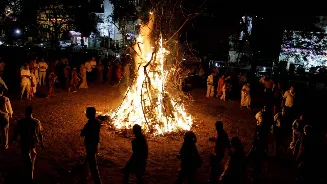
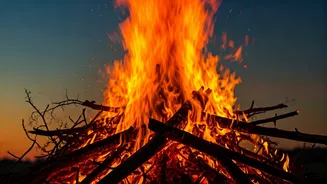
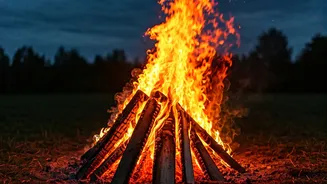
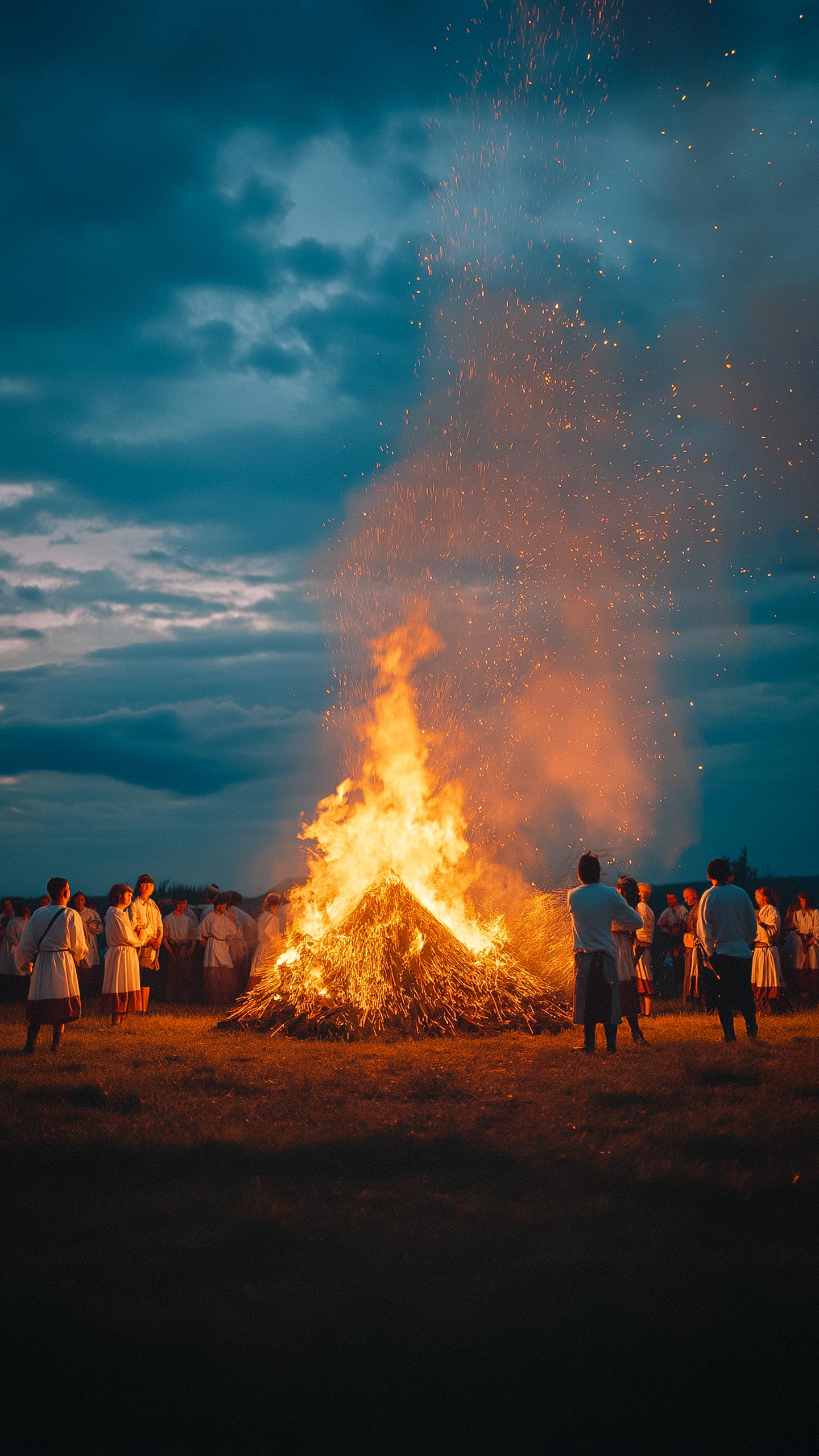
Holika Dahan, observed on the night preceding Holi, signifies more than just a bonfire; it's a profound ritual symbolizing the vanquishing of negativity
and the dawn of a new, hopeful phase. Rooted in the epic tale of Prahlad and Holika, the sacred fire represents the triumph of unwavering faith and truth over arrogance and malevolence. This practice, also known as Samvatsar Dahan, is a symbolic incineration of past challenges and adversions, paving the way for spiritual rejuvenation and the welcoming of fresh energy. Families gather to offer prayers around the flames, seeking protection from household afflictions, health concerns, and unfavorable energies, fostering an atmosphere of peace and prosperity. Furthermore, Holika Dahan marks a significant seasonal shift, heralding the transition from the chill of winter to the warmth of spring, embodying both natural and spiritual renewal.
Key Dates and Timings
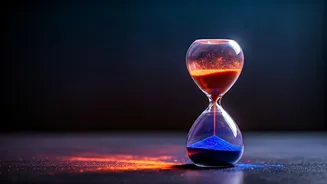
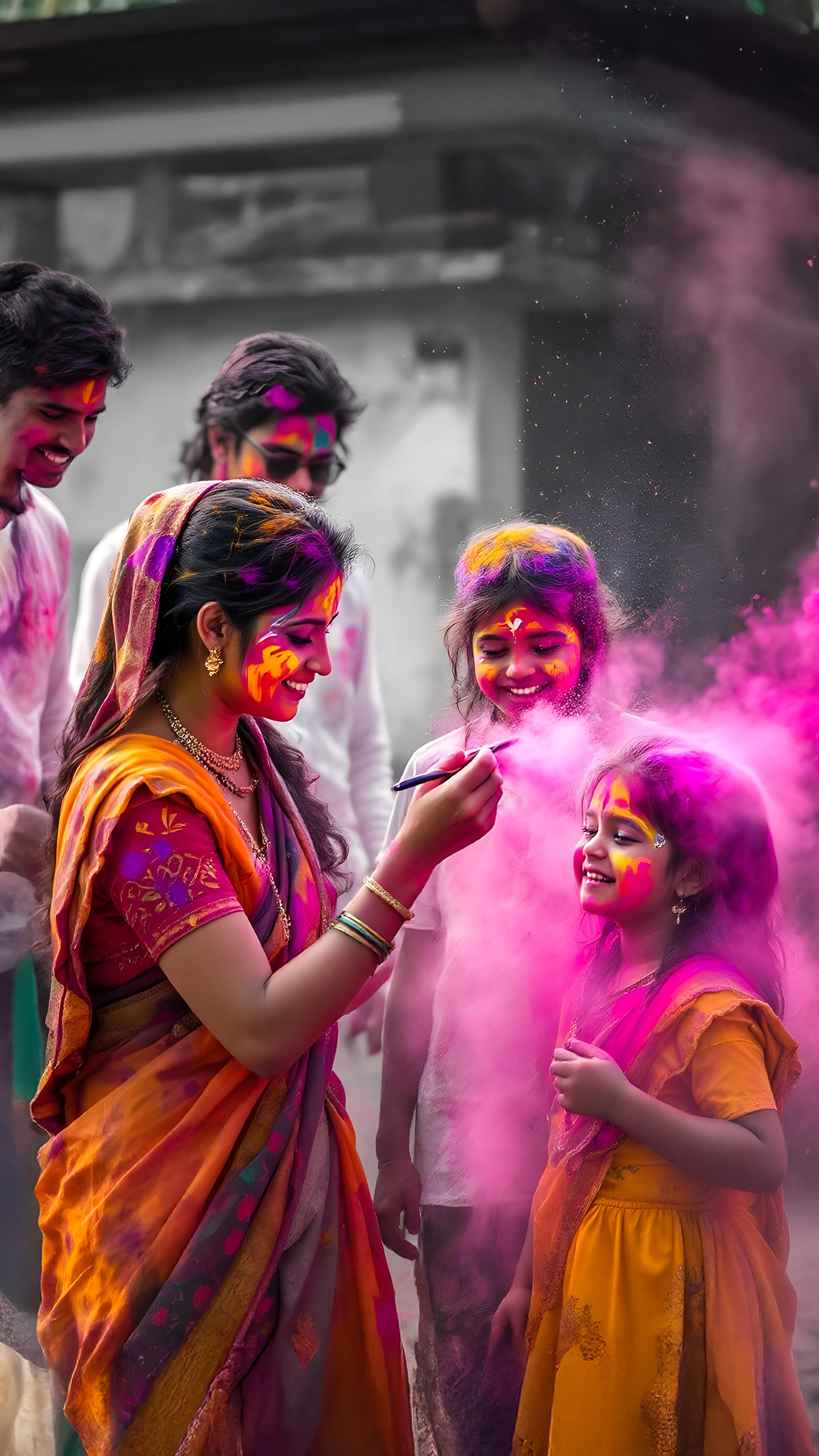
In 2026, Holika Dahan is scheduled for Tuesday, March 3rd, with the vibrant festival of Rangwali Holi taking place the following day, Wednesday, March 4th. The crucial Holika Dahan ceremony occurs during the evening hours, specifically within the Pradosh Kaal, while the Purnima Tithi is still prevalent. For 2026, Purnima Tithi commences on March 2nd at 5:55 PM and concludes on March 3rd at 5:07 PM. The most auspicious window for lighting the sacred fire, known as the Shubh Muhurat, is from 6:22 PM to 8:50 PM on March 3rd, offering a duration of approximately 2 hours and 28 minutes. It is important to note that the Bhadra period, which is considered inauspicious, occurs later at night on March 4th, from 1:25 AM to 4:30 AM. Therefore, performing Holika Dahan within the specified evening muhurat on March 3rd ensures the ritual is conducted free from inauspicious influences and is considered scripturally correct.
Essential Ritual Preparations
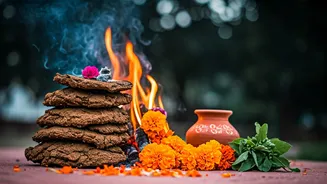
To conduct the Holika Dahan ceremony with devotion and accuracy, meticulous preparation is key. Begin by cleansing yourself with a bath and adorning fresh attire. Find a tranquil spot, facing either east or north, and maintain a calm state of mind, free from distractions. Assemble the necessary puja samagri in a clean puja thali well before the auspicious muhurat. This essential collection includes roli (red powder), akshat (unbroken rice), fresh flowers, raw cotton thread, whole turmeric, whole moong beans, batasha (sugar drops), kalava (sacred thread), and either wheat ears or roasted chana. Having these items ready ensures a smooth and focused performance of the rituals, allowing for complete immersion in the spiritual significance of the occasion.
Performing Holika Dahan
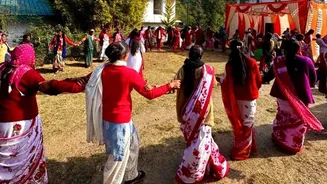
The Holika Dahan ritual involves several distinct steps, each carrying symbolic meaning. First, approach the Holika structure and sprinkle water around its base, followed by offering water at the very foundation. Show your reverence by applying roli and akshat, and then offer fresh flowers with heartfelt devotion. Next, engage in the 'Parikrama,' a circumambulation around the Holika. Wrap the raw cotton thread around the structure, completing either three or seven clockwise rounds. Three rounds symbolize the purification of one's body, mind, and soul, while seven rounds are believed to bestow long-term protection and well-being. During these rounds, offer sincere prayers for your family's happiness and stability. Finally, at the prescribed muhurat, ignite the Holika using camphor. Once the flames are steady, fold your hands and chant "Om Namo Bhagavate Vasudevaya" for spiritual strength and inner peace. As a final offering, place wheat ears or roasted chana into the fire, expressing gratitude for abundance and welcoming the new agricultural season.
Spiritual and Seasonal Significance
Holika Dahan transcends a mere festival; it embodies profound religious and seasonal importance. Religiously, it serves as a potent reminder of the triumph of good over evil, symbolizing the burning away of ego, negativity, and past transgressions. Spiritually, it encourages introspection, fostering a sense of renewal and self-purification. Seasonally, the ritual aligns with the auspicious transition from the cold grip of winter to the nascent warmth of spring. The rising heat from the bonfire is traditionally believed to cleanse the surrounding environment, harmonizing it with the changing climate. Beyond its spiritual and seasonal aspects, the act of gathering around the sacred flame strengthens community bonds, fostering a sense of unity and shared purpose among families and neighbors, making it a cornerstone of collective celebration and well-being.