



The Lycopene Factor
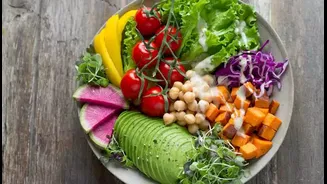
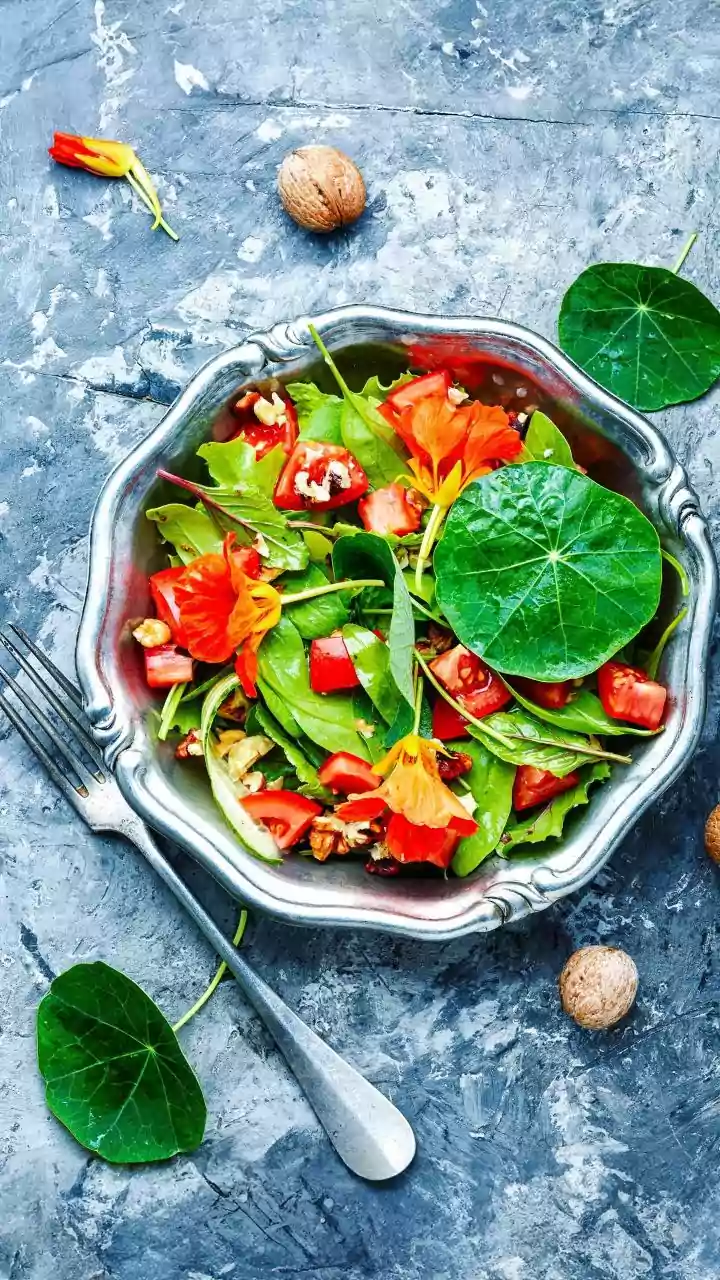
Tomatoes and watermelon are powerhouses of lycopene, a potent antioxidant celebrated for its role in combating inflammation. Lycopene works by neutralizing
harmful free radicals that can lead to cellular damage, a known contributor to inflammatory processes within the body. Initial research suggests a promising link between lycopene consumption and a decrease in certain inflammatory markers. However, it's crucial to note that while the potential is significant, more extensive scientific investigation is required to definitively establish a direct cause-and-effect relationship between lycopene intake and a substantial reduction in inflammation. The current evidence points towards a beneficial role, but further studies are anticipated to solidify these findings and provide clearer guidance on optimal intake levels for therapeutic anti-inflammatory effects.
Anthocyanin's Crimson Charm
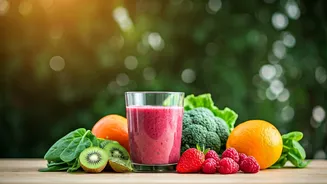
The brilliant red shades of fruits like strawberries, raspberries, and cherries are attributed to anthocyanins, a group of powerful pigments. These compounds are not just for aesthetics; they are recognized for their strong antioxidant capabilities, which are instrumental in fighting oxidative stress, a major instigator of inflammation. Some scientific explorations have indicated that anthocyanins can play a role in lowering specific inflammatory indicators, such as C-reactive protein (CRP). Nevertheless, the actual impact can fluctuate considerably, influenced by an individual's unique dietary habits, genetic predispositions, and overall lifestyle choices. Therefore, while anthocyanins offer a compelling avenue for inflammation management, their effectiveness is not a one-size-fits-all scenario and is intertwined with broader health behaviors.
Vitamin C's Support
Many of the vibrant red foods we enjoy, including juicy strawberries and crisp red bell peppers, are packed with vitamin C. This essential nutrient acts as a crucial antioxidant, diligently protecting our body's cells from the damaging effects of free radicals. While vitamin C undeniably bolsters overall health and fortifies the immune system, its direct contribution to mitigating inflammation when consumed specifically through red foods remains a subject that warrants more conclusive evidence. The current data suggests it's a supportive player in the broader context of health, but isolated consumption from red produce alone hasn't yet been definitively proven to significantly reduce inflammatory responses without additional supporting research.
Beyond Red Foods
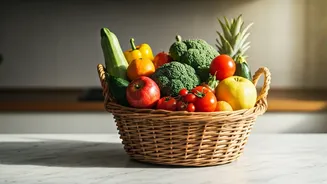
While the anti-inflammatory potential of red foods is certainly noteworthy, it's essential to embrace a wider perspective on health and wellness. These colorful gems are but one component of a much larger, interconnected system. Cultivating a balanced dietary pattern that incorporates a diverse array of fruits, vegetables of all colors, whole grains, lean proteins, and healthy fats is paramount for effectively managing inflammation and promoting overall well-being. Placing an exclusive focus on red foods without considering the synergistic benefits of a varied and nutrient-dense diet might not lead to the desired outcomes. True health management and inflammation control are best achieved through a comprehensive approach that values dietary diversity and balance above all else.