






Selecting Superior Onions
When you're at the market, aim for onions that feel surprisingly heavy for their size and are firm to the touch, devoid of any soft patches or moisture.
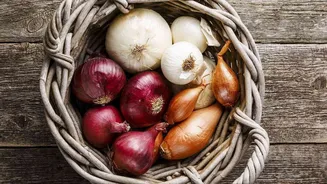
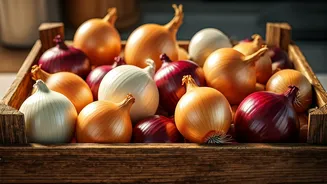
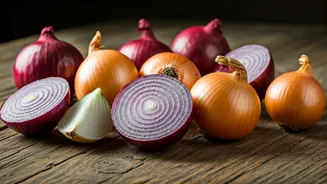
Inspect the outer layers; they should be dry and papery, exhibiting a consistent colour without any dark spots, mould, or dampness, which are tell-tale signs of faster spoilage. Pay close attention to the neck of the onion – it must be tightly closed, dry, and free from any moisture or thickness, indicating proper drying post-harvest and preventing premature decay. Steer clear of any bulbs that show signs of sprouting green shoots, as this means the onion is already ageing and will likely have a harsher flavour. Furthermore, consider the intended use for your onions: red varieties are excellent for robust Indian curries and tadkas, yellow onions are versatile for soups and caramelization, white onions lend a crisp bite to salads and salsas, and smaller shallots offer a sweeter, milder profile for gourmet dishes. Lastly, ensure the onions you choose were not displayed under direct sunlight, as heat accelerates spoilage and softens their texture. Opt for those kept in cool, well-ventilated areas.
Optimal Storage Practices
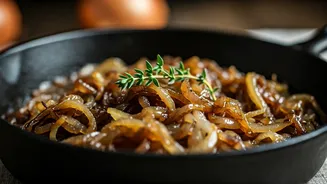
To maintain the longevity and quality of your onions, it's crucial to store them in a dry, cool environment with adequate ventilation, ideally between 10–25°C and low humidity. Avoid storing them in plastic bags, as trapped moisture accelerates decay; instead, opt for breathable containers like mesh bags, net bags, bamboo baskets, or steel wire baskets to allow for essential air circulation and prevent mould. A common error to avoid is storing onions and potatoes together; potatoes release moisture and gases that hasten onion spoilage and sprouting. Keep them in separate areas of your kitchen. Regularly inspect your onions, at least weekly, to catch any signs of softening, black mould, musty odours, or leaking moisture. Promptly remove any compromised onions to prevent them from affecting the rest of the batch. For cut or peeled onions, immediate refrigeration in an airtight glass or steel container is necessary for up to 3–4 days, as plastic can absorb odours. For meal prepping chopped onions, use airtight containers and consume within 2 days for optimal taste. If you have an excess of onions, freezing is a viable long-term solution: chop or slice them, place them in freezer-safe bags, and store for up to 3 months, though note that they lose their crunch and are best suited for cooked dishes like curries or biryanis. Finally, properly stored fried onions, after being thoroughly drained and dried, can be kept in an airtight glass jar in the refrigerator for 2–3 weeks or frozen for up to 2 months.