
Embracing Clean Eating
The concept of clean eating is gaining significant traction as a focus for health in 2026. This dietary approach generally centers around consuming whole,
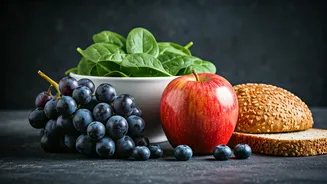
unprocessed foods. This means a focus on natural ingredients, like fresh fruits, vegetables, lean proteins, and whole grains. Individuals can embrace cleaner diets by cutting down on processed snacks, sugary drinks, and artificial additives. Clean eating emphasizes the importance of understanding the origin of foods and making informed choices about what goes into your body. This emerging trend highlights the need to listen to our bodies, providing the nutrients they require for optimal health.
Holiday Body Reset
The period following holiday festivities often calls for a body reset. Many individuals overindulge in rich foods and beverages during celebrations. Clean eating provides a practical way to counter the effects of this overindulgence, aiding in detoxification and promoting overall well-being. Focusing on nutrient-dense foods allows the body to recover from potential inflammation and support the digestive system. A planned approach to eating clean post-holidays helps restore energy levels, boosts the immune system, and promotes a sense of balance. The aim is to revitalize the body, setting a foundation for healthier habits in the new year.
Key Clean-Eating Strategies
Adopting clean-eating habits involves various strategies that promote healthier choices. First, prioritize whole foods. This means filling your plate with fruits, vegetables, lean proteins, and whole grains, which provide essential nutrients and fiber. Second, it is advisable to reduce intake of processed foods. Minimize consumption of packaged snacks, ready-made meals, and sugary beverages. Read food labels carefully to identify hidden additives and ingredients. Third, drink plenty of water to aid digestion and boost metabolism. Fourth, cooking at home is a great way to control ingredients and portion sizes. Finally, plan your meals in advance to avoid impulsive food choices. Making these practices a part of your daily routine will lead to a healthier lifestyle.
Simple Meal Planning
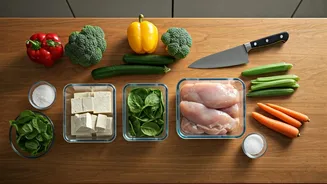
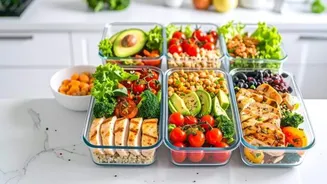
Meal planning is a crucial part of successfully transitioning to a cleaner diet. Begin by making a list of your preferred clean foods. Create a weekly menu, including breakfast, lunch, and dinner, and incorporate healthy snacks. Next, prepare a shopping list based on the menu and only buy the items you need to stick to your diet plan. Cook meals in batches to save time and effort during the week, and store them in individual containers for easy access. Focus on simple, quick recipes that use fresh ingredients, which keeps the diet manageable and enjoyable. Having a structured approach to meal planning helps keep away temptation, maintains consistency, and guarantees that you're consuming nutritious foods.
Benefits and Outcomes
The advantages of embracing clean eating are varied and far-reaching. By eliminating processed foods and focusing on whole, nutritious options, individuals can experience improved digestion and enhanced energy levels. Clean eating often leads to better weight management as well. Nutritious foods nourish the body with vital vitamins and minerals, helping to boost immunity and defend against diseases. A shift towards clean eating also promotes a stronger connection with food. It cultivates an awareness of where your food comes from. Consequently, adopting clean-eating practices can result in overall well-being and a positive relationship with both your body and the food it consumes.