





Sunlight Needs
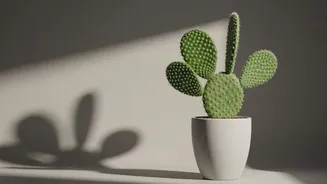
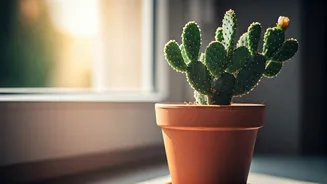
Prickly pear cacti absolutely adore sunlight and require a generous amount to flourish indoors. Aim to position your plant in a spot that receives at least
six hours of direct sunlight daily. The best location is typically near a south-facing window, which offers the most intense and consistent sun exposure. If your home lacks sufficient natural light, consider supplementing with artificial grow lights. When using grow lights, it's crucial to maintain an appropriate distance between the light source and the cactus to prevent any risk of scorching the plant or causing overheating. Consistent, bright light is fundamental for a healthy and happy prickly pear cactus, contributing to its overall vitality and growth.
Watering Wisdom
Mastering the art of watering is paramount for the well-being of your indoor prickly pear cactus, as improper hydration can lead to detrimental issues like root rot. The golden rule is to allow the soil to dry out completely between each watering session. During the active growing periods of spring and summer, a good watering every two weeks is generally sufficient, or simply water when the soil feels bone dry. As autumn transitions into winter, and the plant's growth naturally decelerates, significantly reduce your watering frequency. It's also vital to ensure that your cactus is planted in pots with excellent drainage capabilities and that the soil mix itself promotes rapid water runoff, preventing water from pooling around the roots.
Soil Essentials
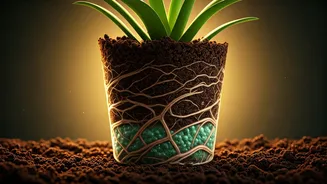
The foundation of a thriving indoor prickly pear cactus lies in its soil composition. These desert dwellers require a substrate that mimics their natural arid environment, prioritizing excellent drainage above all else. A highly effective DIY mix can be created by combining standard potting soil with gritty amendments such as coarse sand or perlite. These additions create air pockets, allowing excess water to escape freely and preventing the soil from becoming waterlogged. Alternatively, readily available cactus and succulent potting mixes from garden centers are specifically formulated to meet the unique drainage and aeration needs of these plants, making them a convenient and reliable choice for indoor cultivation.
Pest Patrol
Even indoor prickly pear cacti can fall prey to common household pests like mealybugs and spider mites, which can detract from their appearance and health. To maintain a pest-free environment, it's essential to conduct regular visual inspections of your cactus. Look closely for tell-tale signs of infestation, such as small white cottony masses (mealybugs), fine webbing (spider mites), or unusual discolored spots on the pads and stems. If any pests are detected, prompt action is key. Treat the affected areas with an insecticidal soap or a neem oil solution, carefully following the manufacturer's instructions for application and dilution to ensure effective eradication without harming your plant.
Temperature Comfort
Prickly pear cacti thrive in environments that mimic their preferred desert climate. During the day, they are happiest in temperatures ranging from a warm 70 to 100 degrees Fahrenheit. While they can tolerate cooler nighttime temperatures, ideally around 50 degrees Fahrenheit, it's crucial to shield them from drastic temperature fluctuations. Avoid placing your cactus near drafty windows or doors, as sudden changes in temperature can stress the plant and hinder its growth. Maintaining a stable and comfortable temperature range is a vital component of ensuring your indoor prickly pear cactus remains healthy and vigorous throughout the year.