



Festival Dates & Auspicious Times
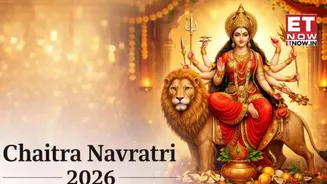
Chaitra Navratri in 2026 is set to commence on Thursday, March 19, and will continue for nine days, culminating on Friday, March 27. This concluding day also
coincides with the celebration of Rama Navami. The initial ritual, Ghatasthapana, which marks the beginning of the festival, is traditionally performed during a specific auspicious window on the first day. For March 19, 2026, this favourable period for Ghatasthapana is between 6:52 AM and 7:43 AM. Should one miss this prime timing, an alternative auspicious period known as Abhijit Muhurat, spanning from 12:05 PM to 12:53 PM, also presents an opportunity to conduct the ritual. These specific timings are considered highly beneficial for invoking divine blessings and initiating the Navratri observances.
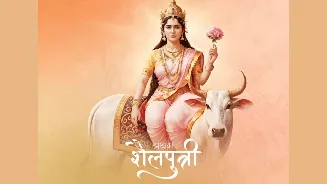
Day 1: Yellow & Maa Shailputri
The inaugural day of Chaitra Navratri, March 19, 2026, ushers in the colour yellow, deeply connected with Maa Shailputri, the daughter of the mountains. This bright and cheerful hue is emblematic of joy, optimism, and new beginnings. Its vibrant energy serves as a perfect starting point for the nine-day spiritual journey, reflecting the grounding and nurturing essence of Goddess Shailputri, who is revered as the foundational energy of the festival. Embracing yellow on this day is believed to invite positivity and a sense of renewal into one's life, setting a bright tone for the days ahead and honouring the goddess's steadfast nature.
Day 2: Green & Maa Brahmacharini
On March 20, 2026, the second day of Chaitra Navratri is dedicated to Maa Brahmacharini and associated with the colour green. This verdant shade signifies growth, harmony, and profound inner peace. It resonates with the disciplined and ascetic nature of Maa Brahmacharini, who is revered for her penance and devotion. Wearing green on this day is thought to cultivate a sense of serenity, foster personal development, and encourage a balanced approach to life. It's a colour that embodies tranquility and the continuous cycle of life, mirroring the goddess's commitment to spiritual austerity and her role in guiding devotees towards self-mastery.
Day 3: Grey & Maa Chandraghanta
March 21, 2026, the third day of Chaitra Navratri, is marked by the colour grey and dedicated to Maa Chandraghanta. Grey, often perceived as a neutral yet sophisticated hue, represents balance, stability, and composure. It is believed to bestow fearlessness and resilience, aligning with the attributes of Maa Chandraghanta, who is a fierce warrior goddess known for vanquishing evil. Adorning oneself in grey on this day is intended to invoke a sense of calm amidst challenges and strengthen one's inner fortitude. The colour symbolises a balanced approach to life, encouraging a steady presence and a quiet strength.
Day 4: Orange & Maa Kushmanda
The fourth day of Chaitra Navratri, March 22, 2026, celebrates Maa Kushmanda with the vibrant colour orange. This energetic hue is synonymous with creativity, passion, and divine cosmic power, reflecting Maa Kushmanda's legendary role in creating the universe with her radiant smile. Wearing orange is believed to ignite imagination, boost enthusiasm, and attract positive energy. It's a colour that represents the warmth of the sun and the dawn of creation, embodying the goddess's immense power and her ability to bring forth life and light, inspiring devotees to embrace their creative potential.
Day 5: White & Maa Skandamata
On March 23, 2026, the fifth day of Navratri is dedicated to Maa Skandamata and represented by the colour white. This pure and serene hue signifies clarity, purity, and maternal grace. White embodies innocence and a calm, peaceful presence, reflecting the motherly aspect of Maa Skandamata, who is the mother of Lord Kartikeya. Embracing white on this day is thought to promote mental clarity, foster a sense of peace, and invite gentle, nurturing energies. It is a colour that symbolizes new beginnings and spiritual awakening, offering a pristine canvas for divine connection.
Day 6: Red & Maa Katyayani
March 24, 2026, marks the sixth day of Chaitra Navratri, honouring Maa Katyayani with the powerful colour red. Red is a bold and dynamic shade, symbolizing courage, passion, strength, and the fierce warrior spirit. It is intrinsically linked to the formidable nature of Maa Katyayani, a valiant goddess known for her power to destroy demonic forces. Wearing red on this day is believed to imbue wearers with bravery, determination, and a vibrant energy to overcome obstacles. This intense colour signifies divine power and unwavering resolve.
Day 7: Royal Blue & Maa Kalaratri
The seventh day of Chaitra Navratri, March 25, 2026, is dedicated to the formidable Maa Kalaratri and adorned in the deep, captivating hue of royal blue. This rich colour represents intense, transformative energy and profound power. Royal blue is often associated with the divine, evoking a sense of mystery and deep spiritual insight. On this day, wearing royal blue is thought to channel the goddess's fierce protective energy, aiding in the destruction of negativity and facilitating profound spiritual transformation. It signifies the depths of the cosmos and powerful divine intervention.
Day 8: Pink & Maa Mahagauri
On March 26, 2026, the eighth day of Chaitra Navratri is dedicated to Maa Mahagauri and symbolized by the gentle yet radiant colour pink. This soft hue embodies purity, compassion, and divine grace. Pink is often associated with love and serenity, reflecting the benevolent and pure nature of Maa Mahagauri, who is known for her restorative powers and gentle demeanour. Embracing pink on this day is believed to invoke blessings of peace, foster loving relationships, and cultivate a sense of inner tranquility and grace.
Day 9: Purple & Maa Siddhidatri
The final day of Chaitra Navratri, March 27, 2026, is adorned with the sophisticated colour purple, celebrating Maa Siddhidatri and also marking Rama Navami. Purple signifies spiritual wisdom, divine accomplishment, and enlightenment. It is associated with royalty and a connection to higher consciousness, reflecting Maa Siddhidatri's boon of bestowing all supernatural powers, or siddhis, upon her devotees. Wearing purple on this concluding day is believed to invite spiritual fulfilment and a deeper understanding of cosmic truths, bringing the nine-day festival to a glorious and spiritually rich conclusion.