




Smart Thermostat Use
A common misconception is that setting your air conditioner to its lowest temperature will cool your home faster, but this is simply not true; it only
leads to a surge in energy consumption. To achieve efficient cooling without overspending, aim to maintain your thermostat between 24 and 26 degrees Celsius. This moderate setting allows the AC to work less intensely, preventing unnecessary strain on the unit and drastically cutting down on electricity usage. Consider using programmable thermostats or smart home devices to schedule temperature adjustments, ensuring your home is cool when you need it and conserving energy when you don't, creating a perfect balance between comfort and economy throughout the hot season.
Seal Your Home
Preventing cool air from escaping is paramount to reducing your air conditioner's workload and, consequently, your energy bills. Take a close look at all doors and windows; even small gaps can allow precious cool air to dissipate into the hotter outdoor environment. Utilizing weatherstripping around frames and door sweeps at the bottom of doors can create a much tighter seal. For window frames, caulk can be an effective solution. By ensuring your home is properly sealed, you create a more effective barrier against heat intrusion and keep the cool air circulating within your living spaces, meaning your AC won't have to run as often or as hard.
Clean Filters Crucial
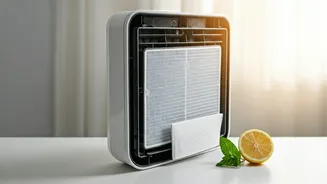
The efficiency of your air conditioning system is heavily reliant on the cleanliness of its filters. Over time, these filters accumulate dust, dirt, and other airborne particles, which impede the smooth flow of air. When airflow is restricted, your AC unit has to work considerably harder to draw air in and push cooled air out. This increased effort translates directly into higher energy consumption and can even lead to premature wear and tear on the unit. Regularly cleaning or replacing your AC filters, typically once a month during peak usage, ensures optimal airflow, allowing your system to cool your home effectively and more efficiently, saving you money.
Leverage Ceiling Fans
Ceiling fans are an incredibly effective and energy-efficient tool for enhancing the comfort provided by your air conditioner. While they don't actually lower the air temperature, they create a noticeable wind-chill effect by circulating the cool air throughout a room. This circulation makes the air feel cooler on your skin, allowing you to set your thermostat a few degrees higher without sacrificing comfort. By relying on ceiling fans to augment the cooling effect, you reduce the demand on your central AC system, leading to significant energy savings and a lower electricity bill. Ensure fans are set to rotate counter-clockwise in the summer to push air downwards.
Block Solar Heat
Direct sunlight entering your home during the hottest parts of the day can significantly increase the internal temperature, forcing your air conditioner to work overtime. Strategically using curtains, blinds, or even external shades can make a substantial difference. Opt for thicker, light-colored curtains that reflect sunlight rather than absorbing it. Keeping them closed on windows that receive direct sun, especially during peak afternoon hours, will create a more effective barrier against solar heat gain. This simple measure can help maintain a cooler indoor environment, reducing the need for prolonged and intensive AC operation.
Consistent Operation
Frequent cycling of your air conditioner – turning it on and off repeatedly – is not an efficient way to cool your home and can actually increase energy usage. Each time the AC starts up, it requires a significant burst of power to get the compressor running. Maintaining a steady, consistent temperature by letting the unit run for longer, less frequent cycles is far more economical. Utilizing timers or smart thermostats to keep the AC running at a set temperature, rather than constantly restarting it, allows the system to operate at its optimal efficiency. This approach ensures consistent comfort while minimizing the electrical drain associated with frequent power surges.