





Pranayama: Your Exam Edge
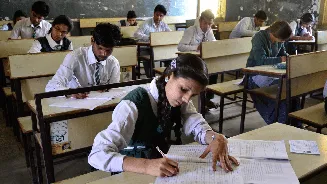
As the CBSE Board Exams 2026 approach, students often face immense pressure, leading to anxiety, disrupted sleep, and difficulty concentrating. Traditional
study methods can feel insufficient against this backdrop of stress. Fortunately, ancient yogic practices known as pranayama, or breathing exercises, offer a scientifically backed, natural remedy. These techniques, when practiced for as little as 15-20 minutes daily, can significantly impact cognitive function. They improve blood circulation to the brain, stimulate the release of mood-boosting endorphins, and crucially, activate the parasympathetic nervous system. This system is responsible for the body's 'rest and digest' response, counteracting the 'fight or flight' stress response. By incorporating these simple yet profound breathing exercises into your routine, you can achieve a state of calm focus, enhance your ability to retain information, and build resilience against the inevitable pressures of high-stakes examinations.
Bee Breath Bliss
Bhramari Pranayama, often called the 'Bee Breath,' is an exceptional technique for immediate stress reduction. By sitting comfortably, closing your eyes, and gently plugging your ears with your thumbs, you can create a deep, humming sound on exhalation, mimicking a bee. This vibration is incredibly soothing for the nervous system, effectively lowering blood pressure and quieting the incessant chatter of anxious thoughts. Practicing Bhramari Pranayama helps to calm brain waves, making your mind more receptive to learning and improving your ability to focus intensely. It acts as a mental reset, clearing away the clutter that often hinders effective revision and problem-solving, allowing for a smoother flow of thoughts during study sessions and examinations.
Alternate Nostril Harmony
Anulom Vilom Pranayama, also known as alternate nostril breathing, is a powerful practice for balancing the body's energy channels and calming the mind. The technique involves using your right thumb to close your right nostril while inhaling through your left, then switching to exhale through the right nostril using your ring finger, and continuing this alternating pattern for 5-10 minutes. This rhythmic breathing harmonizes the ida and pingala nadis (energy pathways in yogic philosophy), which are believed to govern different aspects of mental and physical well-being. It is highly effective in reducing stress hormones, detoxifying the mind, and significantly boosting blood flow to the brain. This increased cerebral circulation is vital for sharpening focus, making it an indispensable practice for tackling complex subjects and retaining intricate details.
Skull Shining Clarity
Kapal Bhati Pranayama, or 'Skull Shining Breath,' is a dynamic breathing technique that invigorates both the mind and body. It involves forceful, rapid exhales through the nose, while the inhalations are passive and natural. This action primarily engages the abdominal muscles and is known for its detoxifying effects on the lungs and brain. The cleansing action is believed to polish the 'forehead,' promoting mental clarity and sharpness. Beyond its purifying benefits, Kapal Bhati energizes the nervous system, combats feelings of lethargy, and clears the subtle energy channels (nadis), paving the way for enhanced focus. This makes it an ideal exercise for students needing a cognitive boost before embarking on lengthy study sessions or facing challenging exam papers.
Bellows Breath Vitality
Bhastrika Pranayama, also referred to as the 'Bellows Breath,' is a vigorous breathing exercise that mimics the powerful action of a blacksmith's bellows. It involves forceful and equal inhales and exhales, creating a rapid rhythm. The primary benefit of this practice is the significant increase in oxygen supply to the brain, which helps to awaken dormant brain cells and enhance overall cognitive function. Bhastrika is particularly effective at dissolving mental blocks caused by stress, boosting overall vitality, and steadying the mind. This sustained mental equilibrium is crucial for maintaining concentration over extended periods, especially when facing demanding exam deadlines and the pressure of completing papers within time limits.
Victorious Breath Focus
Ujjayi Pranayama, the 'Victorious Breath,' is characterized by a gentle constriction in the throat, producing a soft, oceanic sound during both inhalation and exhalation. This controlled breathing technique plays a vital role in regulating the flow of prana (life force energy) throughout the body. Its cooling effect on the mind helps to curb distractions and quiet mental turbulence, much like a soothing sea breeze. Ujjayi Pranayama also improves lung capacity, allowing for more efficient oxygen intake. This promotes a state of deep, meditative focus, which is invaluable for enhancing memory recall and concentrating effectively during high-stakes tests where attention to detail is paramount.
Three-Part Breath Calm
Deep Breathing, or Dirgha Pranayama, involves a comprehensive, three-part breath that fills the belly, then the chest, and finally the upper chest and clavicles. This full-range breathing technique is incredibly effective at maximizing oxygen absorption into the bloodstream. By ensuring deep and complete breaths, it significantly eases feelings of anxiety and fatigue that often accompany intense study periods. Dirgha Pranayama actively engages the parasympathetic nervous system, promoting a profound sense of calm and relaxation. It sharpens cognitive functions and builds the mental and physical endurance required for prolonged study sessions without succumbing to burnout.
Cooling Breath Relief
Sheetali Pranayama, the 'Cooling Breath,' offers a refreshing respite from the heat of exam stress. This technique involves rolling your tongue into a tube shape, through which you inhale, followed by exhaling through your nose. The process of inhaling through the rolled tongue has a cooling effect on the internal body temperature, metaphorically quenching the flames of stress and agitation. It is particularly beneficial for balancing the 'pitta' dosha, which is associated with heat and inflammation, and helps to pacify feelings of restlessness. By clearing mental fog, Sheetali Pranayama promotes crisp concentration, making it ideal for navigating the challenging phases of exam preparation and execution.
Hissing Breath Refresh
Sitkari Pranayama, known as the 'Hissing Breath,' provides a refreshing mental reset, particularly when dealing with the pressure and frustration that can arise during exam periods. This practice involves clenching your teeth gently and inhaling through the small gaps, creating a soft hissing sound, before exhaling through the nose. This method is effective in lowering the body's overall temperature and promoting a sense of tranquility. By pacifying agitation and curbing the anger that can stem from intense pressure, Sitkari Pranayama enhances neural pathways, leading to superior focus and improved memory retention, essential for academic success.
Relaxed Awareness Peace
Shavasana Breathing, or 'Relaxed Awareness,' is a restorative practice that concludes a pranayama session by integrating the benefits of breathwork into the body and mind. This technique involves lying down in a relaxed posture, similar to the traditional Corpse Pose, and simply observing the natural rhythm of your breath without any effort to control it. This deep observation helps to dissolve any residual tension held within the body and mind, allowing for a profound sense of peace. By reprogramming the mind for calmness and restoring depleted energy reserves, Shavasana Breathing cements a state of stable focus, which is ultimately essential for achieving triumph and confidence during exams.