






Dust Mite Havens
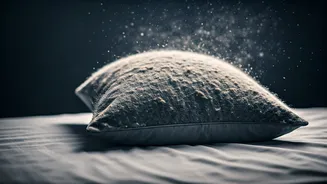
Many individuals are unaware that their mattresses and pillows can harbor millions of microscopic dust mites, thriving in the warmth and humidity of sleeping
environments. These tiny creatures, though invisible, can significantly irritate airways. To combat this, it's crucial to go beyond routine sheet washing and opt for hot water (at least 60°C) for laundry. Furthermore, investing in allergen-proof covers for pillows is a proactive step towards minimizing exposure. Regularly washing bedding in high temperatures and encasing pillows can drastically reduce the dust mite population, offering a tangible improvement for those struggling with persistent respiratory discomfort. This simple yet effective practice can make a substantial difference in managing asthma symptoms by removing a primary source of indoor allergens.
The Moisture Menace
Mold, a notorious asthma trigger, often lurks unseen in damp areas. It's not always visible as large patches; it can be found behind wallpaper or in poorly ventilated bathroom corners where moisture accumulates. A lingering musty odor in a room is a strong indicator of airborne mold spores. To maintain a healthier indoor atmosphere, experts recommend keeping household humidity levels below 50 percent. Employing a dehumidifier can be surprisingly effective, potentially offering more relief to your lungs than an additional medication dose. Managing humidity is a vital component of controlling asthma, as it directly inhibits the growth and spread of mold, a significant respiratory irritant for many people.
Pet Dander Deception
The notion that 'hypoallergenic' pets are entirely safe for asthma sufferers is often a misconception. The primary allergen isn't necessarily the fur itself, but rather proteins present in pet saliva and the dander (skin flakes) they shed. Even if pets are excluded from bedrooms, dander can easily travel on clothing. For households sharing space with furry companions, investing in HEPA air purifiers is highly recommended. These devices are instrumental in capturing airborne dander and other microscopic particles, thereby reducing exposure and helping to mitigate asthma flare-ups. Proactive air purification is key to coexisting with pets while managing respiratory health.
Fragrance Fallacy
The pleasant aroma from scented candles or cleaning products, often marketed with scents like 'fresh lemon,' can be misleading. These fragrances typically comprise Volatile Organic Compounds (VOCs), which are chemical irritants to sensitive respiratory systems. Instead of cleansing, these compounds can actively worsen asthma symptoms. The recommended approach is to transition towards fragrance-free alternatives for both cleaning supplies and personal care products. Paying attention to your body's signals—like coughing after using a scented spray—is crucial. Opting for unscented options creates a less irritating environment for your lungs, promoting easier breathing and reducing potential asthma exacerbations.
Urban Critter Clues
In urban environments, cockroach droppings represent a significant and often overlooked asthma trigger. The proteins found in these droppings can mix with household dust, becoming airborne with every movement, such as walking across floors. To address this issue, sealing cracks in walls and ensuring kitchens remain thoroughly dry are essential preventive measures. Eliminating potential entry points and reducing moisture levels where pests can thrive are key strategies. By maintaining a dry and sealed living space, the risk of cockroach infestations and subsequent allergen exposure can be substantially decreased, contributing to a healthier indoor air quality.