





Subtle Warning Signs
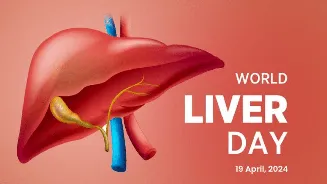
Liver failure seldom strikes abruptly; it often creeps in with subtle, easily dismissed symptoms. On World Liver Day, medical professionals are highlighting
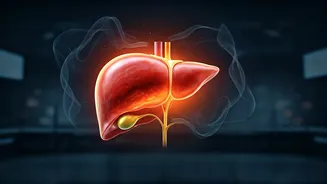
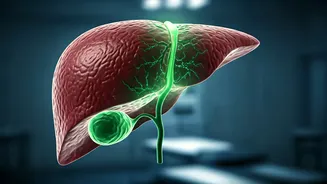
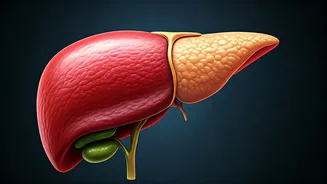
these early indicators. Initially, you might experience persistent tiredness, a noticeable change in your appetite, or a general feeling of unease in your abdomen. These initial signs can be easily attributed to everyday stress or dietary indiscretions, leading people to overlook their significance. However, these seemingly minor issues can be the first whispers of a deeper problem within the liver, an organ crucial for detoxification, nutrient processing, and hormone balance. As the liver's functionality deteriorates, these early signals can escalate, potentially leading to more severe and even life-threatening complications if not addressed proactively. Early detection through regular check-ups and prompt medical evaluation is paramount in preventing irreversible damage and improving the chances of a full recovery. Simple blood tests and imaging can often reveal abnormalities long before significant scarring occurs, making recognition of these initial symptoms vital.
Escalating Symptoms Emerge
As liver damage progresses, the symptoms become more pronounced and difficult to ignore. Dr. Sachin H J from Regency Hospital, Gorakhpur, points out that more obvious signs start to appear, signaling a worsening condition. Key among these is jaundice, where the skin and the whites of the eyes take on a yellowish hue, indicating the liver's struggle to process bilirubin effectively. You might also notice swelling, particularly in your legs or abdomen, a sign of fluid retention caused by impaired liver function. Another indicator can be the urine becoming unusually dark, almost tea-colored, and an increased tendency to bruise easily. In some unfortunate cases, accumulated toxins in the bloodstream can begin to affect brain function, leading to confusion or altered mental states. These more severe symptoms demand immediate medical attention. The window for effective intervention is often dependent on recognizing these advanced signs and seeking urgent care, which can significantly impact the prognosis and prevent the condition from reaching an irreversible stage.
Proactive Health Measures
This World Liver Day serves as a potent reminder that persistent fatigue and any unexplained physical changes are not to be taken lightly. Experts universally advocate for early medical assessment when such symptoms arise. Individuals with pre-existing risk factors, such as a history of alcohol consumption, fatty liver disease, hepatitis, or metabolic disorders, should be especially vigilant about monitoring their health. Timely diagnosis, facilitated by comprehensive blood tests and diagnostic imaging, is the cornerstone of effective liver disease management. These diagnostic tools can identify issues at their nascent stages, allowing for interventions that can halt or significantly slow disease progression before irreversible damage sets in. By paying close attention to our bodies and seeking prompt professional help, we can better protect our liver's health and avert potentially life-threatening consequences, ensuring a better long-term outlook.