





Defining Parkinson's Disease
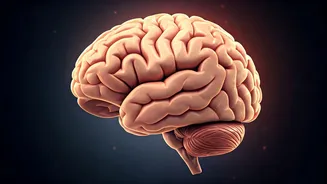
Parkinson's disease is classified as a progressive neurodegenerative disorder, primarily affecting the nervous system's motor function. It is mainly associated
with a decline in dopamine-producing neurons within the substantia nigra, a critical area of the brain responsible for movement control. This cell loss contributes to the development of the motor symptoms commonly observed in Parkinson's. While motor symptoms are a hallmark, the disease can also feature non-motor symptoms. These encompass a broad spectrum, including cognitive difficulties, mood disorders, and sleep disturbances, which can significantly influence the overall quality of life. The exact cause remains complex and multifaceted, involving a blend of genetic predisposition, environmental factors, and the aging process. Current treatments primarily focus on managing the symptoms, and research efforts are ongoing to develop disease-modifying therapies that can halt or slow the disease's progression.
Unveiling Potential Causes
Pinpointing the exact cause of Parkinson's disease is challenging, but research suggests a combination of factors plays a role. Genetic mutations can increase susceptibility, although the disease isn't always directly inherited. Certain environmental exposures, such as pesticides and toxins, have been linked to an elevated risk. Age is also a significant factor, with the likelihood of developing Parkinson's increasing as one gets older. The loss of dopamine-producing neurons, essential for smooth and coordinated movements, is a key characteristic. These neurons are found in the substantia nigra. The specific mechanisms that trigger neuronal damage and death remain the subject of extensive scientific investigation, with oxidative stress, mitochondrial dysfunction, and inflammation emerging as potential contributing factors. Understanding the interplay of these causes is crucial for developing effective strategies for prevention and treatment.
Recognizing Key Symptoms
Parkinson's symptoms vary in their presentation and severity among individuals. The motor symptoms are often the most noticeable and include tremor, rigidity, slowness of movement (bradykinesia), and postural instability. Tremors typically start in one limb and may progress to affect other parts of the body. Rigidity leads to stiffness in muscles, making movements difficult. Bradykinesia causes a slowing down of voluntary movements, impacting daily activities. Postural instability increases the risk of falls and balance problems. Beyond motor symptoms, non-motor symptoms are equally significant and encompass a broad range of experiences. These can include sleep disturbances, such as insomnia and REM sleep behavior disorder, which involves acting out dreams. Cognitive changes, such as memory problems and difficulty with executive function, may also occur. Mood disorders, including depression and anxiety, are also quite common. Recognizing these diverse symptoms is vital for early diagnosis and comprehensive care.
Managing and Treating
Currently, there is no cure for Parkinson's disease, but various treatments are available to manage symptoms and improve the quality of life. Medications play a key role in symptom management. Levodopa, which converts to dopamine in the brain, is a widely prescribed medication that helps to replenish dopamine levels. Other medications may include dopamine agonists, which mimic the effects of dopamine, and MAO-B inhibitors, which help to prevent the breakdown of dopamine. Physical therapy is often recommended to maintain mobility, flexibility, and balance. Occupational therapy can assist in adapting daily activities to accommodate physical limitations. Speech therapy can help with speech and swallowing difficulties. In certain cases, deep brain stimulation (DBS) is an option. This involves surgically implanting electrodes in the brain to deliver electrical impulses, which can help to reduce motor symptoms. Treatment plans are tailored to individual needs, and regular monitoring by healthcare professionals is crucial for adjusting medications and interventions as the disease progresses.