






The Plastic Particle Predicament
A common daily pleasure, brewing a cup of tea, may inadvertently expose you to a significant amount of microplastics. Emerging research indicates that
many modern tea bags, particularly those incorporating plastic components, release a staggering number of microscopic plastic fragments into hot water during the steeping process. Scientists have quantified this phenomenon, with studies revealing that a single tea bag can shed an astonishing quantity of particles. One widely cited experiment detected approximately 11.6 billion microplastics and an additional 3.1 billion nanoplastics per cup from a single plastic tea bag. More recent analyses indicate that over a billion plastic particles can be released per serving, with the exact number varying based on the materials used. Some investigations have reported even higher figures, reaching up to 14.7 billion particles during brewing. These minuscule particles are often imperceptible to the naked eye and are categorized as microplastics (larger, yet still tiny) and nanoplastics (exceptionally small, capable of entering human cells).
Why Bags Shed Plastic
The reason behind this plastic release lies in the construction of many contemporary tea bags. Beyond simple paper, numerous varieties incorporate synthetic materials such as polypropylene, nylon, or plastic-based mesh, often referred to as 'silken' bags. When these bags are immersed in hot water, typically around 95°C, the elevated temperature causes the plastic components to degrade or shed these tiny particles into the beverage. Compiling findings from various research reviews, it's concluded that tea bags represent a primary source of microplastic contamination in tea, even surpassing the contribution from the tea leaves or the water itself. This highlights the importance of examining the packaging of your daily brew, as the material composition directly influences the potential for microplastic introduction into your drink.
Health Concerns Arise
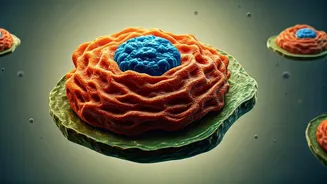
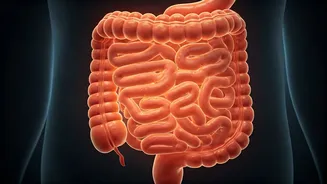
While the long-term health consequences of consuming microplastics are still under active scientific investigation, initial laboratory studies present cause for concern. Research has demonstrated that human intestinal cells possess the capacity to absorb both microplastics and nanoplastics. Some findings suggest that these particles may not remain confined to the digestive system but could potentially enter the bloodstream and subsequently disseminate throughout the body. Broader scientific inquiries have associated microplastics with various potential health risks, including inflammation and disruption of the endocrine system. However, it is crucial to acknowledge that definitive, direct causal links to human health issues are still being thoroughly explored and established through ongoing research.
Debates and Solutions
It is important to note that not all scientific assessments have arrived at identical conclusions regarding particle counts. Some regulatory reviews have suggested that earlier studies might have overstated the number of particles released, possibly due to variations in experimental methodologies and measurement techniques. Nevertheless, the consensus among the majority of scientists remains firm: tea bags containing plastic do indeed release microplastic particles into your tea. Fortunately, mitigating this exposure is achievable through simple adjustments. Experts recommend opting for loose-leaf tea as a primary alternative. Another effective strategy is utilizing infusers made from materials like stainless steel or glass. For those who prefer pre-packaged tea, choosing brands that explicitly state they are plastic-free or biodegradable can significantly reduce or entirely eliminate the risk of microplastic contamination in your daily beverage.