


Location and Designation
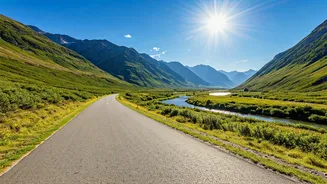
Tucked away in the Chamoli district of Uttarakhand, a state affectionately known as 'Devbhoomi' or the Land of the Gods, lies the extraordinary Valley
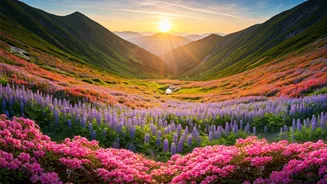
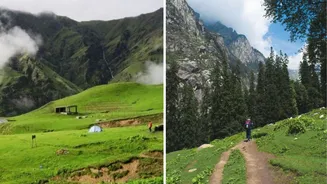
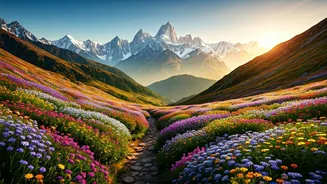
of Flowers. This Indian National Park, established in 1982, has earned global recognition as a UNESCO World Heritage site. Its elevated position, situated between 3,200 and 3,600 meters in the majestic Himalayas, creates a unique microclimate. This environment is perfect for the proliferation of countless endemic flower species, which burst into a riot of color primarily during the monsoon months. The valley is not just a visually spectacular destination but also a crucial ecological zone renowned for its rich biodiversity and the presence of several rare and endangered plant varieties, making it a significant natural wonder within India's diverse landscape.
Unique Floral Treasures
The Valley of Flowers National Park is a sanctuary for an astonishing variety of rare, endangered, and endemic Himalayan flora, boasting over 400 species of medicinal plants, including the critically threatened Valeriana jatamansi. Among its most captivating floral inhabitants is the Blue Poppy (Meconopsis aculeata), often hailed as the 'Queen of Himalayan Flowers' for its striking azure petals. Another significant bloom is the Brahma Kamal (Saussurea obvallata), a plant steeped in mythology, believed to have originated from a tear shed by Lord Brahma. The valley also hosts the intriguing Cobra Lily (Arisaema sp.), a carnivorous plant distinguished by its hood-like structure that eerily resembles a cobra's head. Furthermore, the rare Snow Lotus, a highly valued medicinal herb native to the high-altitude regions of the Himalayas and Tianshan mountains, adds to the valley's botanical riches.
Optimal Visiting Period
For those planning to witness the spectacular bloom of the Valley of Flowers, the monsoon season, spanning from July to September, is undeniably the prime time to visit. During these months, the landscape transforms into a vibrant tapestry of lush greenery and countless flowering species, creating a breathtaking spectacle. The weather during this period is generally pleasant, offering ideal conditions for trekking and exploring the meadows in their full glory. Early mornings are particularly magical, often presenting visitors with ethereal, misty views of the surrounding Himalayan peaks, making it an exceptional time for photography enthusiasts and nature lovers to capture the valley's serene beauty and diverse floral life.