







The Age of Early Disease
A significant shift is occurring in urban India, where individuals in their late twenties and early thirties are now commonly grappling with ailments traditionally
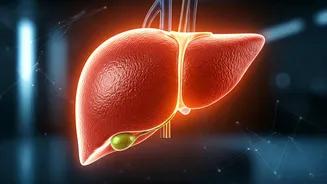
associated with much older age groups. This phenomenon isn't due to accelerated aging, but rather a consequence of modern lifestyle choices and incorrect living patterns. Conditions such as type 2 diabetes, elevated blood pressure, fatty liver disease, and Polycystic Ovarian Disease (PCOD) are becoming widespread in those under forty. Alarmingly, these conditions often develop stealthily, presenting no noticeable symptoms until they have progressed significantly. This early onset underscores a critical need to re-evaluate our daily habits and proactively address potential health risks before they manifest into chronic issues that require ongoing management.
Hidden Metabolic Threats
Maintaining a 'normal' Body Mass Index (BMI) is no longer a reliable indicator of overall good health. A substantial concern lies in visceral fat, which accumulates around vital organs and is a major contributor to both systemic inflammation and metabolic dysfunction. Furthermore, chronic stress plays a significant role by elevating cortisol levels, a hormone directly linked to insulin resistance. Insufficient sleep, with many individuals sleeping less than six hours a night, exacerbates these metabolic disruptions. The tendency to skip regular medical check-ups further compounds the problem, leading to delayed diagnoses and making it harder to manage or even reverse emerging health issues effectively. These interconnected factors create a fertile ground for silent diseases to take root.
Women's Health & Screening
Polycystic Ovary Syndrome (PCOS) has emerged as a pervasive and often silent health challenge, impacting approximately 20 percent of women in urban Indian settings. Regular medical consultations are paramount, encompassing important preventive measures like HPV vaccination, Pap smears to screen for cervical abnormalities, and thorough hormonal evaluations to manage conditions like PCOS. Beyond these, women over the age of 25 should incorporate routine diagnostic tests into their healthcare regimen. These include checks for fasting blood sugar, HbA1c (a measure of long-term blood sugar control), lipid profiles to assess cholesterol levels, liver enzyme tests, thyroid function assessments, and levels of Vitamin D and B12. Early detection of these parameters is crucial for identifying risks before they escalate. Additionally, a whole abdomen ultrasound can be invaluable in spotting early signs of fatty liver and potential silent damage to internal organs, allowing for timely intervention and potential reversal of conditions.
Nutrition: Fad vs Fact
The popular notion of 'clean eating' is often misrepresented, fueled by inaccurate information and marketing. In reality, traditional Indian cuisine, consisting of staples like dal, rice, and vegetable dishes, offers comprehensive nutritional value. The idea that exotic foods like quinoa and kale hold superior benefits over local options is largely a myth; they are nutritionally comparable. Many 'healthy' packaged snacks, including multigrain biscuits and protein bars, primarily serve as marketing strategies rather than genuine health solutions. The convenience offered by cloud kitchens and food delivery services has normalized the consumption of ultra-processed foods at home. It's crucial to be aware of hidden ingredients such as refined flour (maida), processed oils, and excessive sugar, which are frequently present in everyday items like bread, biscuits, sweets (mithai), and even packaged flour (atta).
Charting a Healthy Path
The pursuit of optimal health does not hinge on the existence of a single 'superfood' or a perfectly prescribed diet. Likewise, dietary supplements cannot adequately substitute for genuine nutritional intake derived from whole foods. The bedrock of a healthy lifestyle consistently comprises wholesome, home-cooked meals, coupled with proactive, timely health screenings and the cultivation of enduring, positive habits. Embracing a lifestyle that avoids the feeling of being prematurely aged requires heightened awareness and conscious, deliberate choices made starting from the present moment. By prioritizing these fundamental principles, individuals can steer clear of the premature onset of lifestyle diseases and cultivate enduring well-being.