





The Paradox of Worry
Parenting is an experience often accompanied by a persistent hum of anxiety, a feeling that one must constantly ensure everything is 'just right' for the
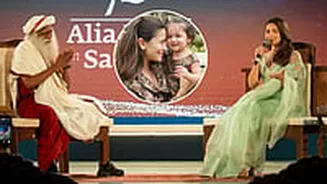
child. This inherent worry, however, can be counterproductive. Sadhguru posits that a parent consumed by worry is, in fact, not being a good parent. This anxiety doesn't just impact the child's well-being but also erodes the parent's own peace. Instead of fostering a secure environment, a parent's constant stress can inadvertently create an atmosphere of unease. The core idea is to detach from the overwhelming need to control outcomes and instead cultivate a sense of inner calm, which then reflects positively on the child's upbringing and overall family dynamic. The focus shifts from managing potential problems to fostering a more present and joyful family life.
Embrace Child's Joy
Sadhguru challenges the conventional notion that parents are solely educators, tasked with imparting knowledge and skills. He suggests a radical shift in perspective: parents should instead become keen observers and learners from their children. Particularly in the early years, children possess an innate capacity for joy and a vibrant connection to life. Their ability to find happiness in simple things is often far greater than that of adults. Instead of imposing a rigid structure or a curriculum of 'life lessons,' parents are encouraged to tap into this natural wellspring of joy. This means observing how children engage with the world, appreciating their unadulterated enthusiasm, and understanding that their inherent state is often one of effortless delight. The question posed is quite profound: between the parent and a young child, who often embodies more pure joy? The answer, typically, is the child, highlighting a valuable lesson for parents.
Parenting as Guidance
The essence of effective parenting, according to Sadhguru's guidance, lies not in control or constant instruction, but in mindful presence and subtle guidance. By letting go of the pressure to be a perfect teacher, parents can free themselves to truly witness their child's unfolding journey. This approach encourages a deeper connection, fostering an environment where learning happens organically. When parents are less anxious and more observant, they can better understand their child's unique needs and inclinations. Guidance, in this context, becomes less about dictating and more about supporting, creating space for the child's natural development and self-discovery. It's about being a steadfast presence, a guiding light rather than a rigid overseer, allowing the child to explore and grow with confidence and joy.