



Ideal Soil Conditions
To ensure your caraway plants thrive and produce a generous yield of aromatic seeds, it's crucial to provide them with the right foundation. Caraway flourishes
in well-draining soil that possesses a slightly alkaline to neutral pH, ideally between 6.0 and 8.0. A sandy loam texture is particularly beneficial, as it allows for excellent aeration and drainage while still retaining sufficient moisture for the plants' needs. Steer clear of heavy, compacted clay soils, which can easily become waterlogged, leading to root diseases that can devastate your crop. To further enhance your soil's suitability, consider incorporating a good amount of organic material, such as well-rotted compost. This addition will not only improve the soil's structure, making it more workable and less prone to compaction, but also enrich it with essential nutrients that support robust plant growth and seed development.
Planting Your Seeds
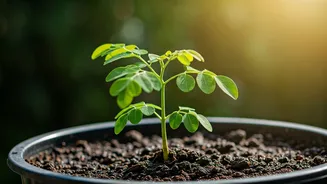
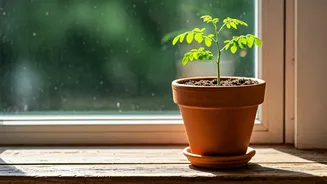
Initiating your caraway growing journey is best done as soon as spring arrives, ideally when the earth has warmed to approximately 10 degrees Celsius. This early spring planting ensures that the seeds have ample time to germinate and establish themselves before the heat of summer. When sowing, aim for a depth of about half an inch below the soil surface. Proper spacing is key to healthy development; allow at least 12 inches between individual seeds. If you opt for planting in rows, ensure a wider gap of roughly 18 inches between these rows. This generous spacing prevents the plants from competing fiercely with each other for vital resources like sunlight, water, and nutrients, promoting stronger, more productive individual plants and ultimately a better harvest.
Effective Watering Practices
While caraway plants are recognized for their resilience and ability to withstand periods of dryness, they are not entirely neglect-proof when it comes to hydration. Consistent watering is still a necessity, especially during warmer months or prolonged dry spells when the soil can rapidly lose its moisture. The most effective approach is to water deeply, saturating the soil thoroughly, but doing so infrequently. This method encourages the plant to develop a robust, deep root system, making it more resistant to drought. It is imperative to avoid overwatering, as this can create an environment conducive to root rot, a fungal disease that can quickly kill your caraway plants. Applying a layer of mulch around the base of the plants is a highly beneficial practice. Mulch helps the soil retain its precious moisture for longer and also serves as an excellent weed suppressant, reducing competition for water and nutrients.
Nurturing Plant Health
To ensure your caraway plants remain vigorous and productive throughout their growing cycle, consistent monitoring and basic upkeep are essential. Regularly inspect your plants for any signs of common garden pests, such as the tiny aphids that can weaken foliage or snails that can munch on leaves and seeds. If you spot any unwelcome visitors, the simplest solution is often to remove them by hand. For more persistent infestations, consider using gentle, organic pest control methods like neem oil, which is effective without harming beneficial insects or the environment. Feeding your caraway plants should be done with moderation. A light application of a balanced fertilizer every four weeks during the active growing season is usually sufficient to support healthy growth and seed development. Over-fertilizing can lead to excessive leafy growth at the expense of seed production, so err on the side of caution.