








Ancient Roots of Art
Originating as far back as the 7th century in Tibet, Tibetan wood painting boasts a profound history deeply intertwined with both religious practice and
everyday life. Initially serving a functional purpose in temple architecture, these artworks were meticulously carved onto doors, pillars, and beams, often featuring protective deities to ward off negativity. Over time, this sacred art evolved, expanding its reach to adorn furniture and enhance ceremonial objects, transforming from purely architectural elements into intricate pieces of decorative and devotional value. This evolution highlights the art form's adaptability while preserving its core connection to Buddhist culture and symbolism, making each piece a testament to centuries of tradition and spiritual expression. The transition from temple walls to personal belongings signifies its enduring appeal and its ability to bring sacredness into domestic spaces, reflecting a deep cultural integration of art and spirituality that continues to captivate audiences.
Spiritual Themes & Symbolism
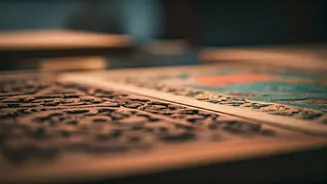
Tibetan wood paintings are renowned for their intricate designs, typically rendered on carved wooden panels, and are deeply imbued with spiritual significance. They predominantly depict a rich tapestry of Buddhist deities, potent protective symbols, complex mandalas, and vibrant scenes from the daily lives of Tibetan people. This fusion of detailed carving with hand-painted natural pigments creates pieces that are not only visually arresting but also carry profound symbolic weight. Common motifs include universally recognized auspicious symbols such as the never-ending knot, symbolizing eternity and interconnectedness, and the wheel of dharma, representing the Buddha's teachings and the path to enlightenment. Furthermore, images of Buddha and Bodhisattvas are frequently featured, each embodying distinct spiritual virtues like wisdom, compassion, and universal harmony, offering viewers a tangible connection to Buddhist philosophy and a source of inspiration and contemplation in their homes or monastic settings.
The Kyumbur Technique
The creation of these captivating Tibetan wood paintings employs a specialized and intricate method known as the Kyumbur technique. This artisanal process involves a precise application using a syringe, a tool that allows for remarkable detail and control. To prepare the painting medium, distemper and glue are combined and then carefully filtered through a cotton cloth to achieve a smooth, consistent paste. This carefully prepared mixture is then loaded into a syringe. The artist then skillfully uses the syringe to meticulously apply the paste, forming the intricate patterns and designs that characterize these artworks. This technique is crucial for achieving the fine lines, delicate details, and raised textures often seen in traditional Tibetan wood art, ensuring that each piece is a masterpiece of craftsmanship and a testament to the dedication of its maker.
Festival Display & Acquisition
For those in Mumbai eager to witness this extraordinary art form firsthand, a unique opportunity arises during the Kala Ghoda Arts Festival. The 26th edition of this prestigious festival hosted an exhibition of Tibetan wood paintings at the Chhatrapati Shivaji Maharaj Vastu Sanghalaya (CSMVS). Visitors had the chance to explore a dedicated stall managed by the Norbulingka Institute, where their exquisite Thangka art and intricately carved wood pieces were showcased. This event provided an exceptional platform for art enthusiasts and cultural explorers to immerse themselves in the beauty and spiritual depth of Tibetan craftsmanship. It offered not only a visual feast but also a chance to acquire these beautiful handmade traditional paintings, allowing people to bring a piece of Buddhist culture and a tangible connection to Tibetan artistry into their own homes, celebrating a tradition that has flourished for over a millennium.