
Defining Holiday Heart
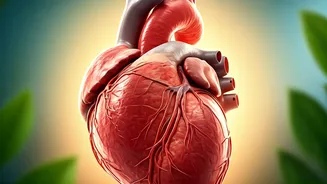
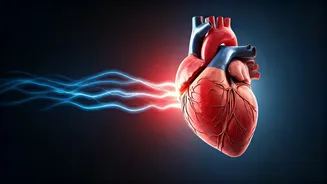
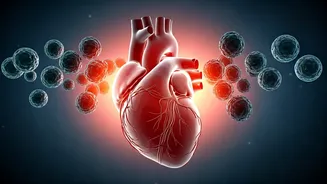
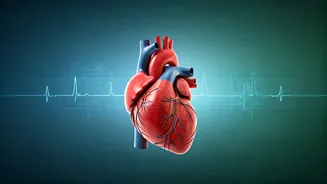
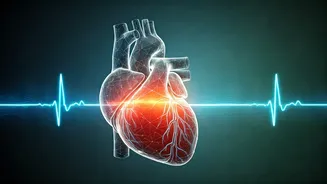
Holiday Heart Syndrome (HHS) is an irregular heartbeat, or arrhythmia, that often emerges during holiday periods. This condition is typically characterized
by the onset of atrial fibrillation, a rapid and irregular heart rhythm. The incidence of HHS has been shown to increase during holidays such as Christmas and New Year. The surge in cases is largely attributed to various factors associated with the holiday season, including increased alcohol consumption, overeating, stress, and sleep deprivation. It's crucial to understand the implications of HHS, as it can lead to more serious heart conditions if left unaddressed. Regular heart check-ups, especially for those at risk, become significantly important during the holidays to ensure early detection and management of any potential issues, thus ensuring a safer and more enjoyable festive period.
Alcohol's Impact Explained
One of the primary culprits behind Holiday Heart Syndrome is excessive alcohol intake. During festive periods, many people indulge in more alcohol than usual, placing extra strain on their cardiovascular system. Alcohol consumption can disrupt the heart's normal electrical impulses, causing irregular heartbeats. This is because alcohol directly affects the heart muscle, potentially leading to atrial fibrillation. Furthermore, alcohol can also dehydrate the body, which, in turn, can affect electrolyte balance. These imbalances are critical for proper heart function. Studies have demonstrated a clear correlation between the quantity of alcohol consumed and the risk of developing HHS. Individuals who binge drink or frequently consume large quantities of alcohol during the holidays are at a much higher risk than those who drink moderately. For those prone to heart issues, even moderate alcohol intake can elevate the chances of developing HHS.
Food and Overeating
Overeating and dietary changes can also contribute to the development of Holiday Heart Syndrome. The holidays often involve rich, high-calorie meals that can strain the cardiovascular system. Consuming large portions of food, especially those high in fat and sodium, can increase blood pressure and lead to inflammation, potentially triggering an irregular heartbeat. Furthermore, changes in eating habits, such as skipping meals or consuming food at irregular times, can disrupt the body's natural rhythms, possibly affecting heart function. The accumulation of excess weight during the holidays also increases the heart's workload. This increased workload might make the heart more susceptible to arrhythmias. It’s essential to maintain a balanced diet and portion control, especially during the festive season, to mitigate the risks associated with HHS and other heart-related complications, especially for those with existing cardiac conditions or at a higher risk of heart disease.
The Role of Stress
Stress is a significant factor contributing to Holiday Heart Syndrome. The holiday season, though often filled with cheer, also brings considerable stress, including social pressures, financial concerns, and travel-related anxieties. Increased stress levels trigger the release of stress hormones, which can raise blood pressure and heart rate, putting additional strain on the heart. This heightened strain can increase the likelihood of developing an arrhythmia, such as atrial fibrillation. Moreover, stress often leads to unhealthy lifestyle choices, such as poor sleep, reduced physical activity, and increased consumption of alcohol and unhealthy foods, all of which further exacerbate the risk of HHS. Managing stress through relaxation techniques, such as meditation or deep breathing, and seeking support from family and friends are effective strategies for lowering the risk. Prioritizing rest and relaxation during the holidays will help to protect the heart and reduce susceptibility to HHS.
Common Symptoms Noted
Recognizing the symptoms of Holiday Heart Syndrome is crucial for early detection and intervention. Common symptoms can vary in severity but often include heart palpitations, a sensation of rapid or irregular heartbeats, which may feel like the heart is racing, fluttering, or skipping beats. Additional symptoms may encompass chest pain, discomfort, or pressure, indicating potential stress on the heart. Breathlessness, or difficulty breathing, is another common symptom, particularly during physical activity or rest. Other symptoms include dizziness or lightheadedness, which can occur due to decreased blood flow to the brain as a result of the irregular heartbeat. Fatigue or feeling unusually tired or weak, especially after exertion, is also observed. Individuals may experience anxiety or a sense of unease, which can be connected to the irregular heartbeat and stress experienced during the holidays. Early recognition of any of these symptoms demands prompt medical attention.
Prevention Strategies Applied
Several preventive measures can significantly reduce the risk of developing Holiday Heart Syndrome. First and foremost, moderation in alcohol consumption is essential. Individuals should limit their alcohol intake or abstain altogether, especially if they have pre-existing heart conditions. Maintaining a balanced and healthy diet, especially during the holiday season, also contributes significantly. This includes eating regular meals, controlling portion sizes, and avoiding excessive consumption of high-fat, high-sodium foods. Managing stress through relaxation techniques, such as meditation, yoga, or deep breathing exercises, is equally important. Prioritizing adequate sleep, typically 7-9 hours per night, is another key factor in maintaining heart health and mitigating the effects of stress. Regular physical activity, even in the form of short walks, can improve overall cardiovascular health and reduce the risk of arrhythmia. Staying hydrated is also crucial, particularly when consuming alcohol or during periods of increased physical activity. Regular check-ups with a healthcare provider and being aware of any underlying heart conditions can greatly help in safeguarding heart health.
When to Seek Help
Knowing when to seek medical help is vital when dealing with potential cases of Holiday Heart Syndrome. It is important to consult a healthcare professional at the onset of symptoms such as heart palpitations, chest pain, breathlessness, dizziness, or unusual fatigue. These could indicate an arrhythmia like atrial fibrillation. If symptoms are severe, persistent, or accompanied by other concerning signs, such as fainting or severe chest pain, immediately seek emergency medical attention. Individuals with a history of heart disease, high blood pressure, or other cardiovascular risk factors, should promptly consult with their doctor, especially if they experience any heart-related symptoms during the holidays. Early medical intervention can help diagnose and effectively manage HHS, preventing the progression to more severe cardiac issues and ensuring that patients receive timely care. Ignoring symptoms can lead to more serious complications, which makes prompt action essential for safeguarding heart health.