



Decoding Dandruff Types
Dandruff, often perceived simply as white flakes, presents in two primary clinical forms: oily and dry. While both stem from an imbalance involving the
Malassezia yeast and increased skin cell turnover, their visual presentation and scalp environment differ significantly. This distinction is crucial for effective management, moving beyond generic remedies that offer only fleeting relief. The underlying cause is a common scalp yeast, Malassezia, which thrives on sebum, the scalp's natural oil. When the scalp becomes sensitive to the byproducts of this yeast's activity, irritation ensues, accelerating skin cell shedding. Normally, this shedding is imperceptible, but when accelerated, dead skin cells accumulate, appearing as visible flakes. This irritation can also manifest as mild itching and redness. The specific appearance of dandruff is largely influenced by the scalp's oiliness, leading to the categorization into oily and dry types.
Oily Dandruff: The Greasy Flake
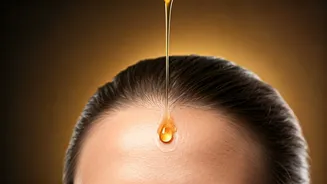
Oily dandruff is characterized by flakes that are typically yellowish or off-white and possess a sticky, clumped appearance. Instead of falling freely, these flakes tend to adhere to the scalp or even your fingernails after scratching. A tell-tale sign is a greasy sensation on the scalp within a day or two of washing. While itching is usually present, it tends to be moderate rather than intense, and some individuals may observe mild scalp redness. This condition arises when an excess of sebum creates an ideal breeding ground for Malassezia yeast. Factors exacerbating oily dandruff include humid climates, perspiration, frequent helmet use, the application of heavy styling products, and insufficient scalp cleansing. Merely increasing washing frequency or using cosmetic shampoos may temporarily remove surface oil but fails to address the underlying yeast proliferation, leading to rapid recurrence of flakes. Effective management necessitates controlling both oiliness and fungal activity.
Dry Dandruff: The Powdery Flake
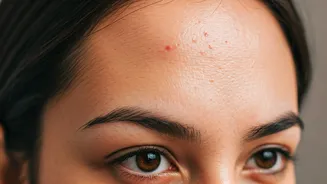
In contrast, dry dandruff manifests as fine, powdery white flakes that detach easily and often settle on clothing, especially dark attire, resembling a snowfall effect. The scalp might feel a sensation of tightness or dryness, and itching is generally mild to moderate. It's important to note that dry dandruff can be mistaken for simple scalp dryness caused by environmental factors like cold weather, the use of harsh shampoos, or overwashing. However, persistent fine flaking, even without an oily scalp, is frequently linked to Malassezia-related irritation. Therefore, while increasing scalp moisture or switching to moisturizing shampoos might offer comfort, they may not fully resolve the underlying flaking issue. Addressing the yeast activity remains paramount, even when the scalp doesn't feel overtly oily. The goal for dry dandruff is to restore scalp balance without stripping essential moisture while concurrently managing yeast proliferation.
Targeted Care Strategies
The fundamental difference guiding treatment between oily and dry dandruff lies in managing scalp oil levels and flake characteristics. For oily dandruff, the approach must be dual-action: controlling excess sebum and exerting antifungal effects. Conversely, dry dandruff requires maintaining scalp equilibrium without over-drying, while still combating yeast activity. Many standard shampoos primarily focus on cleansing, offering only transient flake removal without addressing the microbial imbalance. For more robust control, seeking out shampoos formulated with clinically recognized antifungal agents is beneficial. Piroctone olamine, for instance, is a highly effective ingredient known for its ability to inhibit the growth of dandruff-associated yeasts. This compound offers effective antifungal action, is gentle on the scalp's protective barrier, suitable for regular use, and performs well across various climatic conditions and scalp types, promoting consistent scalp balance and reducing the likelihood of recurrence.
Identifying Your Scalp Type
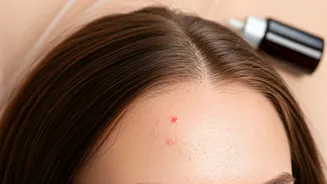
Determining your specific dandruff type can be achieved through simple self-observation. Ask yourself: does your scalp tend to get oily very quickly after washing? Are the flakes you notice sticky and clumped together, or are they fine and powdery? Do you still experience flakes even when you make an effort to moisturize your scalp? A straightforward home test involves pressing a small piece of butter paper onto your scalp parting; if it quickly absorbs oil marks, your scalp likely leans towards the oily side. The most critical takeaway for maintaining long-term scalp health is consistent use of products containing proven antifungal ingredients, by regularly checking ingredient lists. Dandruff is a chronic condition that necessitates ongoing scalp care rather than a one-off treatment; therefore, consistency is key to managing it effectively.