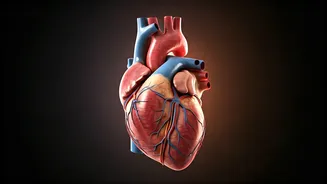









Unveiling Risk Factors
Recent findings emphasize the significance of four principal elements in the development of heart attacks. These elements, which include lifestyle choices,
genetic predispositions, and underlying health conditions, have been found to dramatically escalate the likelihood of heart attacks. The study highlights the intricate interplay of these factors, providing a comprehensive understanding of how they collectively contribute to cardiovascular disease. Understanding these core risk factors is crucial for prevention and early intervention. Each of these elements has been individually studied to highlight how they can lead to cardiovascular problems.
Poor Dietary Habits
One of the key elements identified is a diet high in saturated and trans fats, cholesterol, and sodium. The research emphasizes that a diet loaded with processed foods, excessive red meat, and sugary beverages significantly contributes to the build-up of plaque in arteries. This accumulation, known as atherosclerosis, constricts blood flow and elevates the risk of heart attacks. Therefore, adhering to a balanced diet rich in fruits, vegetables, lean proteins, and whole grains is essential for mitigating this risk. Furthermore, limiting added sugars and unhealthy fats plays a crucial role in maintaining optimal cardiovascular health.
Lack of Exercise
Physical inactivity is another significant factor that heightens the probability of heart attacks. Regular exercise is essential for maintaining a healthy weight, controlling blood pressure, and boosting good cholesterol levels. The study underlines how a sedentary lifestyle contributes to a range of cardiovascular issues, including obesity, high blood pressure, and elevated levels of bad cholesterol. Incorporating at least 150 minutes of moderate-intensity or 75 minutes of vigorous-intensity aerobic activity per week can substantially reduce the risk. Activities such as brisk walking, jogging, swimming, or cycling are particularly beneficial for heart health.
Smoking's Impact
The research further underscores the detrimental effects of smoking on heart health. Smoking damages blood vessels, raises blood pressure, and decreases the amount of oxygen available to the heart. This combination significantly increases the risk of blood clots and subsequent heart attacks. The study reveals that smokers are at a much higher risk compared to non-smokers. Quitting smoking is one of the most effective steps an individual can take to improve their cardiovascular health. Furthermore, exposure to secondhand smoke also poses considerable risks and should be avoided to protect heart health.
Uncontrolled Stress
Chronic stress, often coupled with poor coping mechanisms, has emerged as a significant risk factor. The research points out how stress triggers the release of hormones that can raise blood pressure and increase inflammation in the body. Over time, prolonged stress can damage blood vessels and contribute to the formation of plaque. Managing stress through techniques like mindfulness, meditation, yoga, or engaging in hobbies can significantly lower the risk. Additionally, seeking professional help or support from friends and family is beneficial in managing stress and promoting overall heart health.