





Living Greenery Indoors
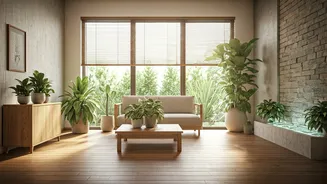
Embracing indoor plants is a cornerstone of biophilic design, offering a direct link to the natural world. Beyond their aesthetic appeal, these botanical
companions actively purify the air you breathe, contributing to a fresher indoor environment. For those new to plant care, selecting hardy species like snake plants or pothos ensures success without demanding constant attention. Positioning these plants strategically near windows or on well-lit shelves allows them to thrive, maximizing their visual impact and air-purifying capabilities. The presence of plants has been scientifically shown to significantly reduce stress levels, with studies indicating a decrease of up to 60%, fostering a more serene atmosphere within your home.
Embrace Natural Textures
Integrating materials sourced directly from nature is crucial for forging a deeper connection with the outdoors within your home. Think of incorporating elements like rich, warm wood, elegant stone, or versatile bamboo into your decor. These materials introduce tactile qualities and a grounded essence to your living areas, creating a sense of comfort and stability. For instance, wooden furniture pieces can lend an organic feel, while stone accents can add a touch of timeless sophistication. Bamboo, known for its sustainability, can be used for flooring or wall paneling, imparting an earthy charm. These natural finishes are not only visually appealing but also renowned for their durability and ease of maintenance, making them practical choices for any room.
Maximize Daylight Flow
Harnessing the power of natural light is a fundamental aspect of biophilic design, aiming to replicate the uplifting experience of being outdoors. Abundant daylight is known to positively influence mood and sharpen cognitive functions, thereby enhancing productivity. To allow sunlight to permeate your living spaces, consider using lightweight, sheer curtains or adjustable blinds that diffuse light softly. For a more significant impact, installing larger windows or skylights can dramatically increase the influx of natural illumination, ensuring your home remains bright and airy throughout the day, all while respecting your need for privacy.
Soothing Water Elements
Introducing elements of moving water, such as small tabletop fountains or decorative aquariums, can infuse your home with a palpable sense of peace and serenity. The gentle murmur of flowing water has a scientifically proven calming effect, capable of reducing stress by as much as 30%. This auditory element creates a tranquil backdrop, perfect for moments of relaxation or meditation. When selecting water features, opt for designs that are appropriately sized for your space, ensuring they enhance the ambiance without becoming visually overwhelming, thus contributing to a more tranquil environment.
Nature-Inspired Palettes
The strategic use of colors drawn from the natural world is a powerful biophilic design tool. Shades of green, tranquil blues, earthy browns, and soft, neutral tones can effectively bring the essence of the outdoors into your interior spaces. These hues can be introduced through paint colors on your walls or via decorative items such as cushions, rugs, or throws. Such color schemes foster a sense of harmony and visual balance within your home, promoting a feeling of calm and relaxation akin to that experienced when surrounded by natural landscapes. These palettes are particularly well-suited for creating restful environments in bedrooms, inviting living rooms, and focused workspaces.