





Woven Wonders Unveiled
Maharashtra boasts a remarkable legacy in textile arts, with several creations gaining national recognition. The Paithani saree, originating from Paithan over
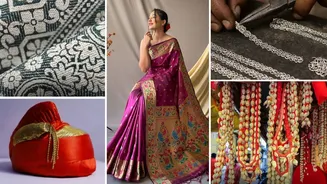
two millennia ago, stands as a pinnacle of this tradition. These silk masterpieces are celebrated for their opulent zari borders, a spectrum of brilliant colours, and evocative motifs such as peacocks, lotus flowers, and other natural elements. Equally significant is the Solapur chaddar, a sturdy cotton bedspread hailing from Solapur. Renowned for its durability, pleasant feel, and distinctive geometric patterns, this craft proudly bears a Geographical Indication (GI) tag, marking it as a cornerstone of Maharashtra's textile heritage. Another notable weaving style is embodied in the Karvath kati sarees, easily identifiable by their characteristic zig-zag borders, showcasing traditional Maharashtrian weaving techniques. Available in both cotton and silk, these sarees are cherished for their enduring aesthetic appeal, making them a timeless addition to any wardrobe.
Artistry in Wood & Metal
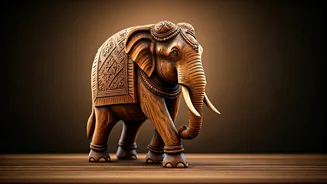
Beyond textiles, Maharashtra excels in the creation of intricate metalwork and captivating wooden crafts. Sawantwadi, a town renowned for its artistic flair, is famous for its lacquered wooden items, vibrantly coloured handmade products, and traditional Ganjifa playing cards. This craft deeply reflects the region's long-standing woodworking expertise and artistic lineage. In Hupari, near Kolhapur, local artisan communities have honed the art of crafting exquisite silver jewellery. This craft is particularly acclaimed for its beautiful anklets and traditional ornaments adorned with elaborate floral and nature-inspired designs. The dedication and skill involved in these artisanal practices highlight a profound connection to regional traditions and a commitment to preserving ancestral techniques for future generations.
Cultural Symbols and Sacred Objects
Several handicrafts from Maharashtra carry profound cultural and spiritual significance, acting as powerful symbols of regional identity and faith. The Puneri pagadi, a traditional headgear originating from Pune, epitomizes cultural pride and identity within Maharashtra. Its structured folds and bright colours have earned it significant recognition, including a GI tag, solidifying its status as a unique cultural emblem. Equally important is the Kavdi maal of Tuljapur, a distinctive garland meticulously crafted from cowrie shells. This item holds deep religious and cultural importance, especially for devotees visiting the revered Tulja Bhavani temple in Tuljapur, underscoring its sacred connection to the region. Furthermore, the town of Pen is widely celebrated for its handcrafted Ganesh idols, created with exceptional skill by local artisans. Often made from eco-friendly clay and natural colours, these idols are an integral part of the joyous Ganesh Chaturthi celebrations, showcasing both artistic talent and environmental consciousness.
Melodious Instruments of Heritage
The state of Maharashtra is also home to the meticulous craftsmanship of musical instruments that are integral to India's rich musical traditions. The Miraj tanpura stands as a testament to this, with its history spanning over 170 years. Crafted with exceptional precision, this instrument is highly valued within Hindustani classical music circles for its resonant sound quality and balanced tonal characteristics. It plays a crucial role in both vocal and instrumental performances, providing the harmonic foundation that defines classical Indian music. The continued production and appreciation of such instruments by skilled artisans ensure the preservation of these vital cultural legacies and their intricate musical nuances for contemporary audiences and future generations of musicians.