






Prevention: The Heart of Health
World Health Day, observed annually on April 7th, serves as a vital reminder of the profound impact preventive healthcare and our daily routines have on our long-term
well-being. In 2026, the message from medical professionals, including cardiologists and wellness experts, is unequivocal: minor adjustments in our habits—such as consistent exercise, effective stress management, and a nutrient-rich diet—can significantly diminish the necessity for complex medical interventions down the line. Dr. Rahul Gupta, a distinguished Interventional Cardiologist, underscores the critical importance of proactive health measures, advocating for the adoption of a heart-conscious lifestyle long before any adverse symptoms manifest. He identifies a confluence of factors like suboptimal nutrition, sedentary behavior, smoking, chronic stress, and unmanaged conditions such as hypertension, diabetes, and elevated cholesterol as primary drivers of the escalating rates of heart disease. Vigilance through regular medical assessments and a commitment to healthy living are paramount for individuals aiming to safeguard their cardiac health and extend their lifespan.
Heart Issues: A Rising Concern
Heart ailments are no longer exclusive to the elderly; they are increasingly affecting younger and middle-aged demographics, largely due to the prevalence of modern lifestyle choices. Dr. Gupta points out that the initial phases of cardiac problems frequently go undetected, as symptoms can be subtle or entirely absent, making early diagnosis exceptionally important. Overlooking routine health screenings can lead to untreated conditions like high blood pressure or elevated cholesterol, silently inflicting damage on arteries and elevating the risk of critical events such as heart attacks and strokes. Given the surge in cardiovascular diseases within India, consistent health screenings are indispensable. For individuals over the age of 30, periodic medical check-ups are recommended to identify potential risk factors early. Timely identification of these issues can substantially lower mortality rates and enhance overall life quality. Consequently, the responsibility for prevention begins with heightened awareness and personal accountability.
Essential Heart Protectors
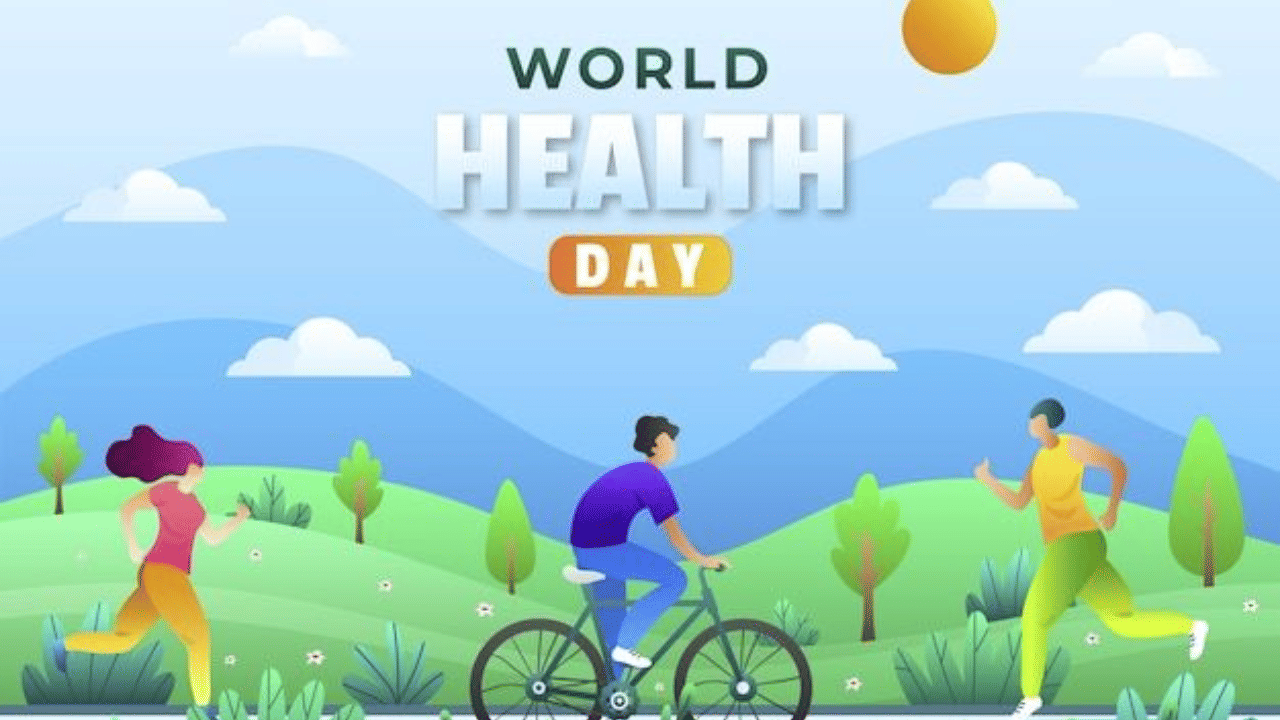
Implementing preventive strategies endorsed by medical professionals can significantly contribute to maintaining a healthy heart. Dr. Rahul Gupta emphasizes that sustained lifestyle habits, rather than sporadic efforts, are the cornerstone of heart health. The following key preventive recommendations offer substantial benefits: * **Dietary Discipline:** Adhere to a balanced, heart-friendly diet, meticulously reducing sodium intake as advised by your physician to manage blood pressure effectively. Prioritize whole foods such as fresh produce, legumes, whole grains, and nuts, consciously sidestepping processed or pre-packaged items. It's advisable to steer clear of high-fat junk foods, deep-fried delicacies, and ready-to-eat meals, as these are often laden with detrimental saturated fats and excessive sodium. * **Consistent Activity:** Dedicate at least 45 minutes daily to vigorous physical activity. Options like brisk walking, jogging, cycling, or engaging in yoga can greatly benefit circulation and strengthen the heart muscle. * **Regular Monitoring:** Schedule regular check-ups every six months to monitor your blood pressure, cholesterol, and blood sugar levels. Early detection of these vital parameters can uncover silent health risks and allow for prompt treatment. * **Stress Mitigation:** Chronic stress can be a significant contributor to elevated blood pressure and other cardiac complications. Incorporate stress-reducing practices such as deep-breathing exercises, yoga, or meditation to cultivate mental tranquility and support cardiac stability. * **Weight Management:** Strive to maintain a healthy body weight through mindful eating and avoiding overconsumption. Excess weight places undue strain on the heart and heightens the probability of developing conditions like diabetes and hypertension. * **Abstinence:** Completely refrain from smoking and limit alcohol consumption, as these are major catalysts for heart-related issues. Dr. Gupta notes that these habits compromise blood vessel integrity, reduce oxygen supply to the body, and escalate heart attack risks. Quitting these habits is among the most impactful actions for cardiovascular health improvement.
Smart Snacking Habits
The choices we make during snack times are just as crucial for heart health as our main meals. Instead of opting for fried savories like samosas, vadas, or oily namkeens, it’s wiser to select healthier alternatives such as fresh citrus fruits, refreshing salads, or a handful of roasted nuts. Similarly, significantly reducing the intake of sugary beverages, colas, candies, and desserts is essential, as these are packed with excessive sugar. Making these small dietary adjustments can play a pivotal role in effectively managing cholesterol levels, blood sugar counts, and body weight – all of which are critical determinants of optimal heart function and overall cardiovascular well-being.
Prevention: Your Strongest Defense
Preventive healthcare stands out as not only the most dependable strategy but also the most economically sensible approach to combating cardiovascular diseases. By making conscious, healthier choices today—whether it involves incorporating daily walks into your routine, consciously avoiding processed foods, or ensuring timely health screenings—you can dramatically reduce your susceptibility to serious health complications. Prevention empowers individuals to proactively manage their well-being, rather than passively waiting for symptoms to emerge. Dr. Rahul Gupta strongly advocates that individuals of all ages and genders must place a high priority on preventive healthcare. Simple daily actions, such as mindful eating and maintaining an active lifestyle, are instrumental in protecting the heart and ensuring a longer, more robust life. It is vital to remember that our heart's health is a direct reflection of the lifestyle choices we make every single day.