






Fiber: A Gut Health Champion
Both pearl millet and barley are celebrated for their significant dietary fiber content, vital for maintaining a healthy digestive system and overall gut
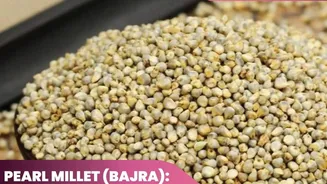
well-being. Barley, however, tends to boast a higher proportion of fiber compared to pearl millet. This makes barley a particularly strong choice for individuals aiming to boost their fiber intake, which is essential for digestive regularity. The soluble fiber found in barley is particularly noted for its potential to assist in managing cholesterol levels and maintaining stable blood sugar. Pearl millet, while still a commendable source of fiber, is often more recognized for its inherent gluten-free nature, appealing to those with gluten sensitivities.
Vitamins and Minerals Unpacked
When examining their micronutrient profiles, pearl millet stands out with a rich supply of essential minerals like magnesium and phosphorus, alongside beneficial B vitamins. It also contributes iron, a crucial nutrient for preventing anemia. Barley, in parallel, offers a distinct advantage in its abundance of selenium and manganese, complementing the presence of other vital nutrients found in both grains. While both millets are excellent contributors to your daily nutrient requirements, they possess unique strengths in their vitamin and mineral offerings, making a varied consumption beneficial.
Protein Powerhouse Debate
In the quest to determine which grain offers more protein, barley emerges as the slight victor, providing a marginally higher protein content per serving than pearl millet. This characteristic positions barley as a particularly attractive option for those seeking to augment their protein intake through plant-based foods, supporting muscle maintenance and growth. Nevertheless, pearl millet is not to be underestimated, as it still delivers a respectable amount of protein, which can effectively contribute to bodily functions like muscle repair and development when incorporated into a well-rounded diet. The difference is subtle, but notable for those focusing on protein optimization.
Glycemic Index Insights
Understanding the glycemic index (GI) is key to managing energy levels and blood sugar. Pearl millet generally exhibits a lower GI compared to barley. This attribute makes pearl millet a more favorable choice for individuals who are monitoring their blood sugar levels, such as those with diabetes, or anyone seeking sustained energy release throughout the day without experiencing sharp spikes or dips in blood glucose following meals. This characteristic contributes to a more stable metabolic response.