
Defining Fibremaxxing
Fibremaxxing is a dietary approach that focuses on significantly increasing the consumption of dietary fiber. It's not just about eating more vegetables;
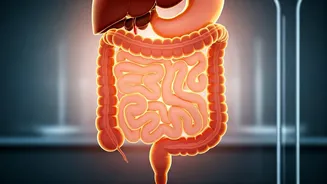
it involves consciously incorporating high-fiber foods into your diet to improve overall health. This includes consuming foods rich in soluble and insoluble fiber. Soluble fiber dissolves in water and can help lower cholesterol and regulate blood sugar levels. Insoluble fiber, on the other hand, adds bulk to the stool, promoting regular bowel movements and preventing constipation. Fibremaxxing aims to maximize these benefits by emphasizing the intake of foods naturally rich in fiber, thus helping individuals achieve optimal digestive and overall well-being.
Why Fibre Matters
The popularity of Fibremaxxing is rooted in the widely recognized benefits of dietary fiber. Adequate fiber intake supports digestive health by preventing constipation and promoting a healthy gut microbiome. Fiber also contributes to heart health by helping to lower cholesterol levels. Moreover, it can aid in weight management by increasing satiety, making you feel fuller for longer. It plays a critical role in managing blood sugar levels, which is particularly beneficial for individuals with or at risk of type 2 diabetes. By focusing on fiber, individuals can experience improved digestive health, cardiovascular function, and an overall better quality of life.
Foods for Fibremaxxing
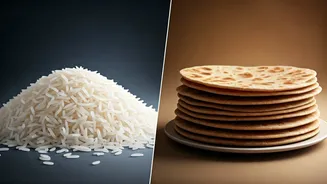
To effectively embrace Fibremaxxing, you should focus on incorporating a variety of high-fiber foods into your meals. Excellent sources include fruits, vegetables, whole grains, and legumes. Berries, apples, and pears are excellent choices for fruits, offering both soluble and insoluble fiber. Broccoli, spinach, and Brussels sprouts are all great sources of fiber when it comes to vegetables. When choosing grains, opt for whole wheat bread, brown rice, and oats. Legumes such as lentils, chickpeas, and black beans are excellent additions to stews, salads, and side dishes. By consciously integrating these fiber-rich foods into your daily diet, you can easily implement the principles of Fibremaxxing.
Daily Fiber Intake Goals
General guidelines suggest that adults aim for at least 25-30 grams of fiber per day. The exact amount can vary depending on individual needs, health conditions, and activity levels. It's crucial to gradually increase fiber intake to avoid digestive discomfort such as bloating, gas, and cramping. Start by adding a few grams of fiber each day, and progressively increase the amount as your body adjusts. Drinking plenty of water is also essential, as fiber absorbs water and requires sufficient hydration to function effectively. Consulting a healthcare professional or a registered dietitian can provide personalized recommendations and ensure a safe and effective approach to Fibremaxxing based on your individual needs.
Fibremaxxing Meal Planning
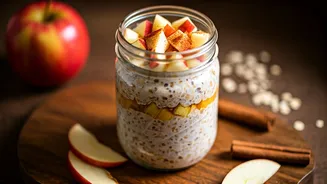
Planning meals to incorporate high-fiber foods is key to a successful Fibremaxxing approach. Start your day with a breakfast that includes fiber-rich options such as oatmeal with berries or whole-wheat toast with avocado. For lunch, consider a salad with plenty of vegetables, legumes, and a whole-grain base like quinoa. Dinner can be centered around dishes like lentil soup, stir-fries with lots of vegetables, or baked sweet potatoes. Snacks can include fruits, vegetables, and small portions of nuts and seeds. Being mindful of portion sizes and ensuring a balance of different food groups are also essential. With strategic planning, Fibremaxxing can become an accessible and enjoyable aspect of your daily life.
Benefits Beyond Digestion
While Fibremaxxing primarily focuses on digestive health, its benefits extend far beyond. Adequate fiber intake can play a significant role in reducing the risk of chronic diseases. Studies suggest that a diet rich in fiber can lower the risk of heart disease by reducing LDL cholesterol levels. Additionally, it helps to regulate blood sugar, thus reducing the risk of type 2 diabetes. Furthermore, it aids in weight management by promoting satiety and reducing calorie intake. Emerging research also indicates that fiber may play a role in promoting a healthy gut microbiome, which is associated with improved immunity and mental well-being. By embracing Fibremaxxing, you're investing in your long-term health and wellness.
Potential Challenges & Solutions
While Fibremaxxing offers numerous benefits, it’s important to acknowledge potential challenges and how to address them effectively. One common issue is digestive discomfort, such as bloating, gas, and cramping. To mitigate this, introduce fiber gradually into your diet, allowing your body to adjust. Another challenge is ensuring you consume sufficient water, which is crucial for fiber to function properly. Dehydration can exacerbate digestive problems, so aim to drink at least eight glasses of water daily. If you experience persistent discomfort, consider consulting a healthcare professional or a registered dietitian. They can offer tailored guidance and recommend strategies to maximize the benefits of Fibremaxxing while minimizing negative side effects.
Fibremaxxing for 2025
Looking forward to 2025, Fibremaxxing is poised to gain momentum as a top nutrition trend. This growing interest is fueled by increased awareness of fiber’s health benefits and a desire for accessible and effective dietary approaches. It is anticipated that social media will play a significant role in spreading information about Fibremaxxing, with influencers and health experts sharing tips, recipes, and personal experiences. Prepared food manufacturers may introduce more fiber-rich products, making it easier for people to incorporate fiber into their diets. As interest increases, more individuals are expected to adopt Fibremaxxing as a key strategy for enhancing their overall health and wellness in the coming year.