





Modern Medicine's Liver Strain
The development of new pharmaceuticals involves stringent evaluations for both effectiveness and safety, including thorough assessment of adverse effects.
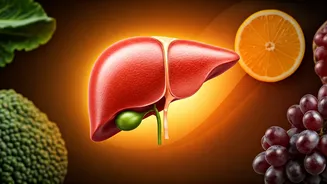
This rigorous process ensures their long-term viability. While modern medicine has advanced significantly, a growing concern is drug-induced liver injury (DILI), a condition where medications can negatively impact liver function. This phenomenon is particularly worrying given the widespread use of various synthetic drugs. Research highlights that even commonly used over-the-counter medications, like paracetamol when taken long-term or in high doses, can contribute to acute liver failure. Specific scenarios, such as medication use during pregnancy or for treating cardiac conditions, have also been linked to a higher incidence of liver issues. Understanding these risks is crucial for developing safer therapeutic strategies and exploring complementary approaches that can mitigate such harms.
Ayurvedic Remedies Under Scrutiny
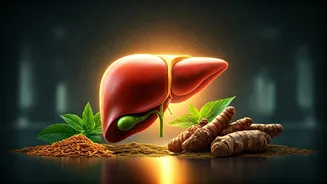
Ayurveda, a time-honored system of medicine, offers a rich pharmacopoeia of herbal formulations believed to support liver health. One such formulation, inspired by traditional Ayurvedic texts, combines herbs like punarnava and bhumi amla. To scientifically validate these ancient remedies, researchers have investigated a specific preparation, referred to as Divya Livogrit, to ascertain its efficacy and safety in improving liver function and addressing DILI. The research employed an in vitro model using cultivated human liver cells. These cells were exposed to carbon tetrachloride (CCl₄), a common industrial chemical known to induce DILI and cellular damage. This exposure triggers oxidative stress, impairs the function of mitochondria (the cell's energy producers), and initiates cellular death. The study aimed to observe if Divya Livogrit could counteract these damaging effects, promoting cellular regeneration and overall liver health.
In Vivo and In Vitro Findings
Following the in vitro studies, a nine-week in vivo research phase was conducted using Wistar rats to further assess the therapeutic potential of Ayurvedic formulations. The study involved administering Sarvakalp Kwath and Divya Livogrit to observe their effects on various physiological parameters. The results indicated that these treatments favorably influenced these parameters in a manner that was dependent on both the dosage and duration of administration. Notably, serum bilirubin levels, a key indicator often elevated in cases of jaundice, showed a reduction with Livogrit in a dose-dependent way, signifying an improvement in the liver's ability to process bilirubin. Furthermore, the research demonstrated that Livogrit effectively addressed stress-induced elevations in cholesterol and uric acid levels. For comparative analysis, the study also examined the effects of silymarin, a well-established allopathic drug for liver conditions. The findings from both in vitro and in vivo experiments consistently showed Divya Livogrit to be a potent therapeutic agent, comparable in effectiveness to established allopathic treatments for liver ailments.
Safety and Toxicology Profile
Beyond efficacy, ensuring the safety of any therapeutic agent is paramount. To establish the safety and toxicology profile of Divya Livogrit, extensive studies were conducted in accordance with regulatory and OECD guidelines. Animals were administered a daily dosage of 1000 mg/kg for a period of 28 days. Critically, no adverse effects were observed during this treatment period. Histopathological examinations of vital organs were performed to meticulously check for any pathological changes that could indicate toxicity. These examinations revealed that Divya Livogrit does not induce such detrimental side effects. Comprehensive analyses of blood parameters, including red and white blood cell counts, along with a review of 118 other diverse physiological indicators, further reinforced the conclusion that Divya Livogrit is a safe and reliable medicine for promoting liver health.
Holistic Liver Wellness Strategies
Maintaining optimal liver health involves more than just therapeutic interventions; it encompasses a holistic approach integrating diet, herbal remedies, and lifestyle modifications. For dietary choices, prioritizing leafy and bitter foods can aid in the liver's natural cleansing processes. Conversely, it is advisable to limit processed foods, fatty items, and caffeine due to their potential toxic load. Incorporating warm lemon water into the daily routine is also beneficial for purification. In terms of herbs, several traditional options are recognized for their liver-supportive properties. Turmeric, cumin, ginger, triphala, and kalmegh are known to reduce inflammation, manage body fat, and assist in detoxification. Lifestyle practices that enhance liver function include self-massage with warm sesame oil to promote circulation and cleansing. Furthermore, specific yogasanas, such as Bhujanagasana (Cobra Pose), are believed to stimulate the liver and improve its vitality, contributing to overall well-being.