

Container Selection
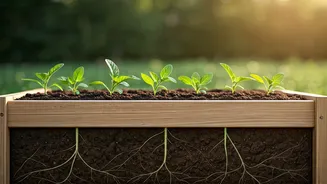
Embarking on your indoor kale cultivation journey begins with choosing the right vessel. For robust root development, opt for containers that measure a minimum
of six inches in depth. It's crucial that these pots are equipped with adequate drainage holes; this prevents water from stagnating around the roots, a common cause of plant distress. Consider materials like plastic or fabric, which are lightweight and facilitate easy repositioning of your kale plants as you optimize their environment. A well-chosen pot sets the stage for healthy growth and prevents common cultivation pitfalls right from the start.
Illumination Essentials
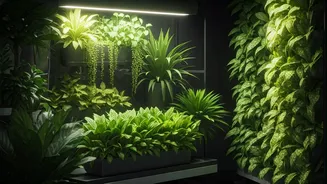
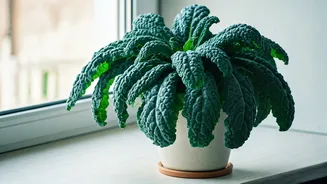
Kale plants are sun-lovers, and for indoor growing, replicating this natural abundance of light is paramount. Aim to position your kale near a south-facing window, where it can bask in sunlight for an estimated six to eight hours daily. If your home's natural light is insufficient, don't despair. Employing LED grow lights offers an excellent alternative. Position these lights approximately 12 inches above your kale plants, and utilize a timer to ensure they receive consistent, uninterrupted light exposure. This deliberate approach to lighting will fuel photosynthesis and lead to vigorous, healthy kale growth.
Soil and Hydration
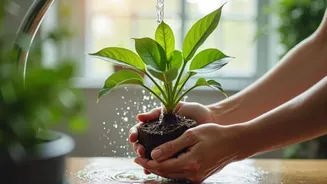
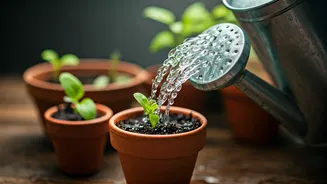
The foundation of thriving indoor kale lies in its soil and watering regimen. Utilize a potting mix that is both well-draining and enriched with ample organic matter; this combination provides essential nutrients and aeration. Regarding hydration, a good rule of thumb is to water your kale when the uppermost inch of soil feels dry to the touch. However, be vigilant against overwatering, as this can foster root rot and harm your plants. Always ensure that any excess water can freely drain from the pot after each watering, maintaining a delicate balance for optimal moisture levels.
Climate Control
Creating an ideal climate is vital for your indoor kale to flourish. These leafy greens prefer cooler environments, ideally fluctuating between 60 and 70 degrees Fahrenheit (15 to 21 degrees Celsius). It's essential to shield your kale from drastic temperature shifts; avoid placing them in close proximity to heat-generating appliances or areas prone to cold drafts. Maintaining a consistent indoor humidity level between 40% and 60% is also beneficial. This moderate humidity supports healthy growth without creating an environment conducive to fungal diseases, ensuring your kale remains robust and pest-free.
Nurturing Growth
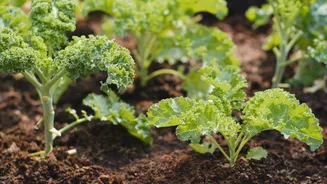
Consistent care is the cornerstone of a productive indoor kale garden. Make it a habit to regularly inspect your plants and promptly remove any leaves that have turned yellow. This not only improves the plant's appearance but also helps prevent the potential spread of diseases. To further support robust growth and replenish nutrients, consider feeding your kale every four weeks. Use a balanced liquid fertilizer, diluted according to the product's instructions, ensuring even distribution throughout the soil. This attentive maintenance ensures your kale continues to produce abundant, healthy leaves.