


Nutrient Retention Nuances
While steaming is often hailed as the supreme method for preserving vegetable goodness, the complete truth is slightly more complex. It's a fantastic technique
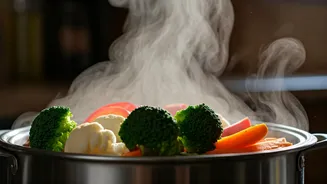
for keeping more vitamins and minerals compared to some other cooking styles, but it's not a magic bullet for retaining absolutely everything. Water-soluble nutrients, like vitamin C and various B vitamins, can still escape into the steam. For instance, research indicates that steaming can lead to a loss of approximately 20% of vitamin C. Therefore, it's essential to understand that no single cooking method is perfect for retaining 100% of a vegetable's nutritional value. Each method has its own impact on the final nutrient profile.
Flavorful Steamed Surprises
The notion that steamed vegetables are inherently bland is another widespread misconception. While steaming does a remarkable job of preserving the vegetables' natural essence, including their inherent sweetness and aroma, this doesn't translate to a lack of taste. In fact, by keeping the natural sugars and flavor compounds intact, steaming can actually enhance these desirable qualities. For those looking to elevate the taste even further, incorporating fresh herbs or aromatic spices before steaming is an excellent strategy. This approach boosts flavor without detracting from the health benefits of the cooking method.
Best Veggies for Steaming
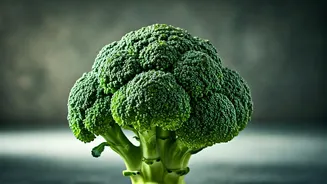
It's important to recognize that not all vegetables are equally suited to being steamed. Certain types, such as delicate leafy greens like spinach or kale, might lose their desirable texture if subjected to prolonged steaming, becoming overly soft or limp. Conversely, heartier root vegetables, including carrots and potatoes, tend to hold up exceptionally well under the heat of steaming, maintaining their structure and appealing bite. Understanding which vegetables yield the best results when steamed is crucial for maximizing both the nutritional and culinary benefits of this cooking technique.
Steaming vs. Boiling
The idea that steaming is unequivocally healthier than boiling often stems from the fact that it doesn't involve direct immersion in water. However, both methods present distinct advantages and disadvantages that can vary depending on the specific vegetable being prepared. Boiling, while potentially leading to nutrient loss if vegetables are overcooked or not drained promptly, can be beneficial for certain types of produce. For instance, quick boiling can sometimes help preserve the vibrant color and texture of some vegetables more effectively than extended steaming. Ultimately, the 'healthiest' choice between steaming and boiling is context-dependent and relies on proper execution for each.