





Fort's Ancient Origins
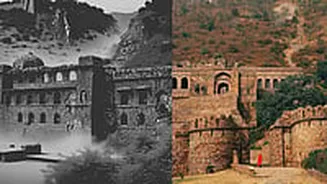
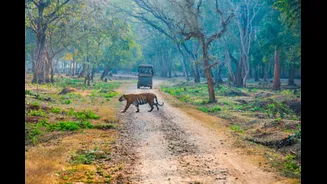
Nestled within the Sariska Reserve in the Aravalli hills of Rajasthan's Alwar district lies the historical Bhangarh Fort, a 16th-century structure commissioned
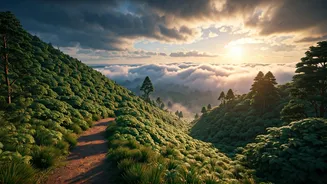
by Raja Bhagwant Das for his son, Madho Singh I. Once a vibrant hub of activity, this fortified settlement was a flourishing community boasting grand palaces, numerous temples, residential areas, and bustling marketplaces. The architectural grandeur and the remnants of its past life tell a story of a prosperous era, now shrouded in an aura of abandonment and mystery. Its strategic location within the Aravalli range offers a glimpse into the defensive and architectural prowess of the period, even as the surrounding landscape adds to its enigmatic allure. The fort stands as a testament to a bygone era, its stones whispering tales of its former glory and eventual decline.
Legends of the Unseen
The narrative surrounding Bhangarh Fort is intertwined with potent local folklore, contributing to its unsettling reputation. One prominent legend recounts the tale of a sorcerer who harbored forbidden affection for a local princess. In a desperate attempt to win her favor, he concocted a love potion, which he offered to her. However, the princess, aware of his intentions, rejected his advances and, in doing so, dislodged a rock that tragically rolled down, crushing the sorcerer. Before his demise, it is said he laid a curse upon the town, precipitating its swift and complete downfall. Another widely circulated story attributes the fort's unfortunate fate to a curse by a revered sage, Guru Balu Nath, who was displeased when the construction of a palace cast a shadow over his dwelling. These narratives have solidified the belief that the area is cursed and inhabited by restless spirits, adding to its dark mystique.
A Site of Dark Tourism
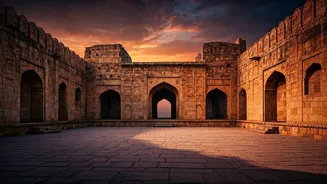
Despite its eerie reputation, Bhangarh Fort remains a compelling historical landmark, showcasing remarkable architectural remnants and hints of its once-vibrant past. Visitors are permitted to explore its pathways, ancient temples, and palace ruins during daylight hours, offering panoramic vistas of the surrounding picturesque terrain. While the Archaeological Survey of India (ASI) enforces a strict prohibition on entry between sunset and sunrise, which enhances the site's mysterious appeal and could be attributed to safety concerns as a protected monument, the fort has become a magnet for dark tourism enthusiasts. Its spectral atmosphere, dilapidated structures, and compelling local tales of curses and paranormal activity make it a prime destination for those drawn to the macabre and the unexplained. The optimal period for a visit is between October and March, to avoid Rajasthan's extreme summer heat, with early morning explorations promising beautiful sunrise views and breathtaking scenery.