





Overnight Oil Buildup
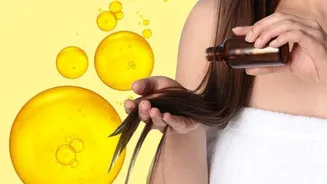
Leaving hair oil on your scalp for extended overnight periods, particularly on a regular basis, can be counterproductive. This prolonged exposure often
leads to a greasy residue and an accumulation of product on the scalp. Such buildup can clog hair follicles, making them more susceptible to shedding when you wash your hair. Furthermore, an overly oily scalp can trap heat, which, contrary to popular belief, might weaken hair roots rather than strengthen them, ultimately contributing to increased hair fall over time. It's crucial to strike a balance and not let the oil sit on your scalp for excessively long durations.
Oiling Unclean Scalp
Applying hair oil to a scalp that isn't clean is a significant misstep that can exacerbate existing scalp conditions and lead to more hair issues. When your scalp is covered in dirt, product buildup, or natural oils from previous days, massaging oil on top effectively seals these impurities. This trapped grime can clog the hair follicles, creating an environment ripe for inflammation and hindering healthy hair growth. It also provides a breeding ground for microbes, potentially worsening conditions like dandruff and itching, which can indirectly contribute to hair fall by weakening the scalp's foundation.
Tight Hair Tying
The way you tie your hair after oiling can have a direct impact on your roots. Tying your hair too tightly immediately following an oil application exerts undue pressure on the hair follicles. This constant tension can lead to a condition known as traction alopecia, where hair is pulled out from the root, causing thinning, particularly around the hairline. It not only results in hair fall but can also cause scalp discomfort and restrict the essential blood circulation needed for nutrient delivery to the hair roots, hindering their ability to grow strong.
Ignoring Oil Warmth
Many overlook the importance of warming hair oil before application. Applying cold oil directly might not be as effective because it doesn't penetrate the scalp as readily. Warming the oil, even slightly, helps to loosen its consistency, making it easier to absorb into the scalp. This improved absorption allows the beneficial nutrients and moisturizing properties of the oil to reach the hair follicles and the deeper layers of the scalp more efficiently, promoting better nourishment and strengthening of the hair roots from within.
Oiling During Illness
Considering your body's internal state is crucial for external treatments like oiling. Applying hair oil when you are suffering from indigestion or are generally unwell might not yield the desired results. During periods of illness or digestive distress, the body's capacity to absorb and utilize nutrients is often compromised. This internal imbalance can affect how effectively your scalp benefits from the oil, potentially leading to a heavy feeling or even contributing to hair fall rather than promoting growth and vitality.
Incorrect Wash Timing
The duration your hair oil stays on your scalp before washing is a critical factor often mishandled. Washing off the oil too quickly means the scalp and hair haven't had sufficient time to absorb the beneficial ingredients. Conversely, leaving oil on for excessively long periods, as discussed earlier, can lead to buildup and greasiness. Finding the right balance for washing off the oil is essential for maximizing its benefits without causing detrimental effects, ensuring a consistent and effective hair care regimen.