



Why Millet Pancakes?
Millet pancakes are an exceptional choice for a healthy breakfast, offering a compelling blend of taste, ease, and nutritional advantages. Unlike traditional
pancakes that may be heavy and filled with refined carbohydrates, millet pancakes give a lighter and more nourishing option. Millet, the primary ingredient, is a whole grain that brings a wealth of nutrients to the table. It's rich in fiber, which aids in digestion and keeps you feeling full, thereby assisting in weight management and curbing overeating. Beyond fiber, millet is also a notable source of essential minerals like magnesium, phosphorus, and manganese, that are crucial for overall health and well-being. These minerals support bone health, muscle function, and metabolism. Moreover, millet is gluten-free, making these pancakes a safe and suitable option for individuals with gluten sensitivities or those following a gluten-free diet. The quick preparation time, often achievable within 15 minutes, makes them a practical choice for busy mornings. This blend of nutritional benefits and convenience makes millet pancakes a great option to start your day.
Gather Your Ingredients
Before diving into the cooking process, make sure you have all the necessary ingredients ready. This step is crucial for an efficient and stress-free cooking experience. You'll need one cup of millet flour. This is the foundation of the pancakes and provides the key nutritional benefits. Ensure the flour is fresh to achieve the best texture and flavor. Next, gather one cup of milk; this can be regular milk or a plant-based alternative such as almond, soy, or oat milk, depending on your preferences and dietary needs. The type of milk selected influences the flavor and calorie content of the pancakes. You will also need one tablespoon of sugar or any sweetener of your choice such as honey or maple syrup. Sugar is important for adding sweetness to the pancakes, but you can adjust the amount based on your taste. In addition, you’ll require one teaspoon of baking powder, which acts as a leavening agent, causing the pancakes to rise and become light and fluffy. A pinch of salt is crucial for enhancing the flavors of the other ingredients and balancing the sweetness. Lastly, you’ll need one tablespoon of melted butter or oil. This prevents the pancakes from sticking to the pan and contributes to a richer texture and flavor. Having these ingredients ready will streamline the pancake-making process, ensuring a quick and easy meal preparation.
Mixing the Batter
The method of mixing the batter is just as vital as the ingredients themselves. First, start with a medium-sized mixing bowl. Combine the millet flour, baking powder, and salt. Whisk these dry ingredients together until they are evenly distributed. This ensures that the baking powder is spread thoroughly, which will help the pancakes rise uniformly. In a separate bowl, whisk together the milk and the melted butter (or oil). This is to ensure a smooth and homogenous consistency. Next, gradually pour the wet ingredients into the dry ingredients, mixing constantly. It's essential to mix until just combined, avoid overmixing. Overmixing can develop the gluten in the flour (even millet has some gluten), resulting in tough pancakes. The batter should be slightly lumpy; don't worry about trying to eliminate every lump. Let the batter rest for a few minutes. This resting period allows the millet flour to absorb the liquid, resulting in pancakes that are fluffier and have a better texture.
Cooking Your Pancakes
Cooking the pancakes is the final stage, and several techniques can ensure excellent results. Begin by heating a lightly oiled griddle or non-stick pan over medium heat. Test the heat by dropping a small amount of batter onto the surface. If it sizzles gently and cooks, the temperature is just right. Pour ¼ cup of batter onto the hot griddle for each pancake, ensuring enough space between them to prevent sticking. Cook for 2-3 minutes per side, or until golden brown and bubbles start to form on the surface, and the edges look set. Use a spatula to gently flip the pancakes. Cook the other side for another 2-3 minutes until golden brown. Adjust the heat as needed to prevent burning. If the pancakes are browning too quickly, reduce the heat. If they're not cooking, increase the heat slightly. Once cooked, transfer the pancakes to a plate and serve immediately. You can keep them warm in a preheated oven set to a low temperature while cooking the remaining batter.
Serving and Enjoying
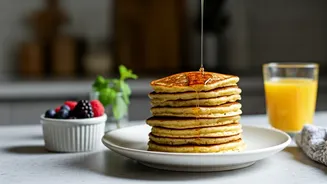
The finishing touches and presentation can elevate your millet pancakes from a simple breakfast to a delightful meal. Serve the pancakes immediately after cooking them while they are still warm and at their most delicious. Toppings and accompaniments play a significant role in enhancing the flavor profile. Traditional options include maple syrup, honey, or agave nectar for sweetness. Fresh fruit such as berries, banana slices, or sliced peaches adds natural sweetness, vitamins, and texture. For a contrasting flavor, consider adding a dollop of Greek yogurt or a sprinkle of nuts and seeds. For a more indulgent experience, try a drizzle of melted chocolate or a dusting of powdered sugar. The serving style can be tailored to individual tastes. You can stack the pancakes on a plate or arrange them in a visually appealing pattern. Consider garnishing the plate with a few fresh berries or a sprig of mint for a pop of color and freshness. Enjoying your millet pancakes is all about personalization and savoring each bite.