



Gather Your Supplies
Embarking on a journey of recycled paper crafting begins with a thoughtful collection of your resources. Start by amassing a variety of paper materials
that would otherwise be destined for the bin – think old newspapers, discarded magazines, junk mail, or even paper packaging. Alongside these primary elements, ensure you have essential crafting tools readily available. This includes a sharp pair of scissors for precise cutting, a reliable adhesive such as glue sticks or liquid glue, and basic marking implements like pencils and rulers for planning your designs. Having a well-organized assortment of these items will streamline your creative process, allowing you to dive into your projects with ease and focus on the artistic aspect without interruption.
Select Your Project
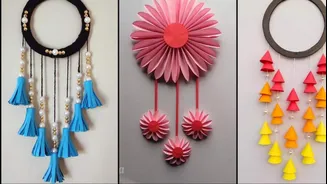
With your materials at the ready, the next exciting step is to envision what you wish to bring into existence. The possibilities for recycled paper crafts are vast, ranging from charming handmade greeting cards to elaborate decorative wall hangings and even delicate origami figures. When making your selection, it's beneficial to consider your current crafting proficiency and personal aesthetic preferences. Opting for a project that aligns with your skill set will foster a sense of accomplishment and maintain your enthusiasm throughout the creation process. For those new to this engaging hobby, it's advisable to commence with simpler designs that are more forgiving and allow you to build confidence and foundational techniques before tackling more complex endeavors.
Prepare the Paper
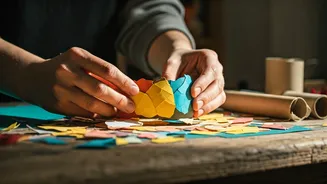
Once you've settled on a specific craft to pursue, the meticulous task of preparing your paper materials commences. This stage involves transforming your collected papers into the precise shapes and dimensions required for your chosen design. For intricate patterns or detailed artwork, you might find it advantageous to work with smaller, more manageable pieces of paper, which offer greater control and precision. Organizing these prepared paper elements systematically before you begin assembly is a key strategy for efficient workflow. This forethought not only saves time but also contributes significantly to achieving a refined and polished appearance in your completed craft piece.
Assemble Your Creation
The assembly phase marks the transition from preparation to bringing your artistic vision to life. Here, you begin joining your meticulously prepared paper pieces together, employing a suitable adhesive to ensure they bond securely. As you progress, pay close attention to the interplay of different paper colors and textures; thoughtfully combining them can dramatically enhance the visual appeal and depth of your artwork. This stage demands patience and careful consideration, as the way elements are joined and layered is fundamental to achieving a professional and aesthetically pleasing final product. Taking your time now will undoubtedly pay dividends in the overall quality of your recycled paper masterpiece.
Experiment and Innovate
Don't hesitate to push the boundaries and explore diverse techniques as you become more comfortable with recycled paper crafting. A fantastic avenue for innovation lies in layering different paper types to introduce a captivating sense of dimension and visual interest. Furthermore, consider incorporating contrasting materials, such as small fabric scraps or other textural elements, to add unique tactile qualities to your work. This spirit of experimentation is where truly original creations emerge, allowing your individual artistic voice to shine through. By embracing these exploratory methods, you not only craft something beautiful but also champion the principles of sustainability and resourcefulness inherent in recycling.