





Ancient Origins
The story of biscotti begins in Prato, a city nestled in the heart of Tuscany, as far back as the 14th century. The very name, 'biscotto,' translates from
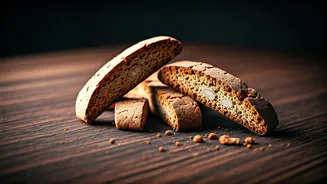
Italian to 'twice-baked,' a descriptor that perfectly captures their distinctive preparation method. This technique, which involves baking the dough once, slicing it into logs, and then baking it again until wonderfully crisp, was initially developed to create cookies that could last for extended periods. This durability made them an ideal provision for long voyages, earning them a special place among seafaring travelers and adventurers. While the foundational recipe historically relied on a simple blend of flour, sugar, and almonds, contemporary baking enthusiasts and artisan bakers have embraced innovation, introducing a spectrum of delightful variations that incorporate different nuts and aromatic spices, building upon this enduring legacy.
Flavorful Varieties
The world of Italian biscotti is a testament to culinary diversity, offering a delightful spectrum of tastes to cater to every palate. While the classic almond biscotti remains a perennial favorite, its popularity has paved the way for other enticing nutty counterparts, such as those featuring rich hazelnuts or delicate pistachios. For individuals with a penchant for sweeter profiles, innovative twists like biscotti studded with luscious chocolate chips or infused with the bright zest of cranberries and oranges provide a wonderfully fruity and indulgent experience. Each distinct type manages to preserve that signature satisfying crunch that defines biscotti, ensuring a consistent textural delight across all its forms, making it a versatile treat for any occasion or preference.
Savoring the Treat
Traditionally, the most cherished way to enjoy biscotti involves the ritual of dipping them into a warm beverage, such as a robust coffee or a soothing cup of tea. This delightful practice allows the cookie to absorb just enough liquid to achieve a perfect, tender texture without sacrificing its essential crispness, thereby enhancing its inherent flavors. The brief immersion softens the edges, making each bite a harmonious blend of crunch and melt. Beyond this classic pairing, biscotti can also be savored independently as a delightful afternoon snack, perhaps accompanied by a dollop of fruit preserves for an added layer of sweetness and complexity. This versatility ensures that biscotti can be appreciated in multiple ways, fitting seamlessly into various moments of enjoyment throughout the day.
Homemade Delights
Embarking on the journey of creating homemade Italian biscotti opens up a world of flavor customization and personal culinary expression. The foundation of a classic biscotti dough is elegantly simple, typically comprising flour, sugar, and butter. To this basic mix, you can introduce a generous amount of nuts, such as almonds or hazelnuts, to impart delightful texture and depth of flavor. The baking process involves two key stages: first, the dough is baked until it's firm enough to handle, then it's carefully sliced into the characteristic log shapes. These slices are then returned to the oven for a second bake, transforming them into perfectly golden-brown, crunchy cookies. Ensuring they cool completely before being stored in an airtight container is crucial for maintaining their ideal freshness and signature crispness.