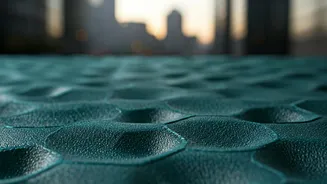

Smog-Eating Surfaces Explained
Smog-eating surfaces are a technological advancement aimed at purifying air quality, specifically by tackling harmful pollutants. These surfaces are coated
with a special substance, often titanium dioxide, that, when exposed to sunlight, triggers a photocatalytic reaction. This reaction breaks down pollutants such as nitrogen oxides and volatile organic compounds into less harmful substances. Essentially, these surfaces act as catalysts, accelerating the natural breakdown of smog components, leading to cleaner air. This technology, although still in its developing stages, holds significant potential for urban areas grappling with elevated levels of air pollution. The effectiveness varies depending on factors such as sunlight exposure, the specific pollutants present, and the surface area covered, but early trials have shown promise in certain scenarios.
Delhi's Implementation Strategy
The implementation of smog-eating surfaces in Delhi marks a significant step in the city's fight against air pollution. The specific surfaces used are typically incorporated into infrastructure such as pavements, building facades, and road dividers. The choice of these surfaces is strategic, aiming to maximize their exposure to sunlight and their contact with polluted air. The implementation involves a collaborative approach between government bodies and private sector partners, with trials and pilot projects often being conducted to assess their effectiveness in local conditions. Detailed monitoring systems are also essential to track the impact, measuring changes in air quality before and after the deployment of the surfaces. The strategic placement of these surfaces in high-traffic areas and areas with significant pollution levels is a key element of the deployment, maximizing their potential to clean the air and offer tangible health benefits for residents.
Benefits of the Technology
The application of smog-eating surfaces in Delhi offers several potential benefits. Primarily, the technology works to decrease the level of harmful pollutants in the air, improving overall air quality. By breaking down pollutants, it helps to mitigate health risks associated with air pollution, like respiratory illnesses and cardiovascular problems. Furthermore, these surfaces can contribute to a decrease in the formation of smog, leading to better visibility and a more pleasant living environment. In some instances, the technology also offers aesthetic benefits, as some of the coatings can be applied in attractive designs. Moreover, since the materials used are often durable and require minimal maintenance, these surfaces provide a sustainable, long-term solution. In addition, by adopting this technology, Delhi is demonstrating leadership in environmental initiatives and encouraging the development of more advanced, innovative solutions for combating pollution.
Challenges and Considerations
While smog-eating surfaces provide a promising strategy, there are also challenges and considerations. One primary concern is the scalability of this technology and the cost-effectiveness of widespread implementation. The initial investment in these surfaces, along with their installation, can be high. Furthermore, the effectiveness of the surfaces is highly dependent on factors like sunlight availability, which can vary greatly depending on the season and weather conditions. Other challenges include the need for regular maintenance to ensure optimal functionality, as well as the potential for the surfaces to get clogged by dust and other debris. In addition, the long-term environmental impacts and durability need to be carefully assessed. Moreover, the ultimate success depends on how the implementation complements other pollution-control measures such as promoting public transport, controlling industrial emissions, and reducing vehicular pollution.
Future Outlook and Research
The future of smog-eating surfaces in Delhi, and potentially other urban centers in India, is promising. Ongoing research and development will focus on improving the efficiency and durability of the surfaces, with ongoing refinements in the photocatalytic coatings used. There is a need for more extensive field trials and studies to assess the technology’s effectiveness in different climatic conditions and with different types of pollutants. Furthermore, continued innovation may lead to integration with other smart-city initiatives and sustainable infrastructure projects. This proactive strategy includes better understanding the long-term ecological impact and further exploring how the surfaces can integrate well with other pollution control measures like tree planting, and stricter emission regulations. The future also includes potential standardization and certification of these surfaces, ensuring their effectiveness and promoting greater acceptance. The overall aim is to optimize this technology for sustainable urban environments, fostering healthier living spaces for the future.