






Understanding Arthritis
Arthritis, once primarily associated with older age, is now increasingly prevalent among younger demographics due to modern lifestyle shifts. This autoimmune
condition occurs when the body's immune system mistakenly targets its own joint tissues, leading to discomfort and swelling. Globally, around 18 million individuals are affected, with India experiencing a significant burden, impacting approximately 1% of its population, or about 210 million people. Left unaddressed, arthritis can lead to permanent joint damage, mobility challenges, and even disability. Its gradual onset can make early detection difficult, and the persistent pain significantly disrupts daily life and diminishes quality of life. Key contributing factors include genetic predisposition, with a higher risk often observed in those with a family history. It commonly manifests in individuals between their 40s and 60s, and women are more susceptible than men. Lifestyle elements like smoking and obesity also elevate the risk of joint strain and the onset of the condition. In some instances, viral or bacterial infections can act as triggers, and emerging research suggests that imbalances in gut bacteria may also play a role. Furthermore, contemporary lifestyles characterized by sedentary habits, chronic stress, and suboptimal diets contribute substantially to the rising incidence of arthritis.
Symptoms and Impact
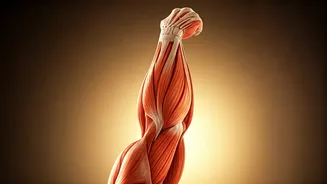
The hallmark symptoms of arthritis include persistent joint pain and noticeable swelling. Individuals often experience morning stiffness that can last for 30 minutes or longer, accompanied by general fatigue and a mild fever. A decreased appetite is also common, and the condition typically affects joints symmetrically, such as both knees or wrists. The discomfort can radiate to other body parts, including the elbows, shoulders, hips, and ankles. The long-term consequences of untreated arthritis extend beyond joint issues, potentially affecting the heart, lungs, skin, and eyes. Patients frequently grapple with mental health challenges, such as anxiety and depression, and their social lives can be significantly curtailed due to the limitations imposed by pain and reduced mobility. While conventional medical treatments, like allopathy, can offer relief, they are often associated with undesirable side effects. In contrast, Ayurvedic principles advocate for a holistic approach, utilizing natural herbs and minerals to provide enduring relief from arthritis symptoms without adverse repercussions.
Ayurvedic Joint Care Pillars
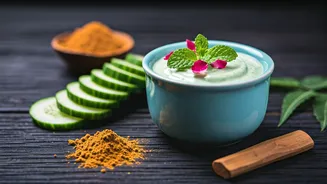
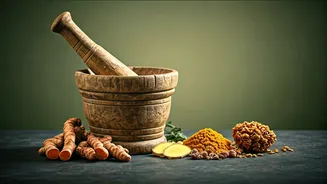
Ayurveda offers a trio of powerful strategies to naturally manage rheumatoid arthritis. Firstly, therapeutic herbs are central: Guggulu is renowned for its ability to alleviate joint pain, while Triphala aids in detoxification and promotes healthy digestion. Fenugreek is another valuable herb, known for its efficacy in reducing joint inflammation. Additionally, common kitchen spices like turmeric, garlic, cumin, and fennel possess potent anti-inflammatory properties and support digestive function. Secondly, dietary adjustments are crucial. The Ayurvedic approach recommends consuming warm, freshly prepared, and easily digestible foods. It advises against processed items, cold foods, dairy products, and heavy, oily meals. Staying well-hydrated with warm water and herbal infusions is also emphasized to help flush out toxins and improve digestion. Lastly, lifestyle modifications are integral. Gentle yoga poses can enhance flexibility and reduce stress levels. Regular therapeutic oil massages, known as Abhyanga, can soothe pain and stiffness while improving blood circulation throughout the body, contributing to overall joint health and vitality.
Innovations in Ayurveda
Divya Amvatari Ras represents a scientifically investigated herbo-mineral formulation designed to combat inflammation and arthritis. This medicine is documented in ancient Ayurvedic texts such as Bhaishajya Ratnavali and is recognized in the Ayurvedic Formulary of India 2003. Its composition includes potent Ayurvedic herbs like amla (Indian gooseberry), castor oil plant, babul (Acacia nilotica), baheda (Bibhitaki), and haridra (turmeric). Numerous clinical studies have indicated its significant potential in reducing the symptoms of arthritis and diminishing inflammation. Recent research, including studies on rat and mouse models, has demonstrated its effectiveness. In a rat model, it played a crucial role in reducing inflammation, as evidenced by a decrease in foot swelling. Further investigation in a mouse model, utilizing induced arthritis through collagen antibodies and bacterial endotoxins, showed improvements in arthritis scores, pain sensitivity, and reduced thickness in the feet and knees. When administered to rats at a dosage equivalent to human consumption relative to body weight, the formulation markedly reduced inflammation and pain severity, while improving joint thickness. It also offered protection against liver damage associated with arthritis. Divya Amvatari Ras has been shown to modulate inflammatory markers by controlling the activity of white blood cells that drive inflammation and by influencing inflammatory signaling pathways, thereby demonstrating a comprehensive approach to managing the immune system's role in inflammatory processes.