




Choosing The Right Wood
The foundation of a durable and beautiful Asante stool lies in the selection of appropriate timber. Traditionally, artisans opt for dense hardwoods such
as mahogany or teak. These materials are prized for their resilience, ensuring the stool can withstand regular use without succumbing to wear and tear. Furthermore, their inherent density provides the necessary structural integrity to support weight reliably. When procuring your wood, it is imperative to inspect it closely for any imperfections like knots or cracks. Such flaws can significantly weaken the wood, potentially leading to premature failure of the stool and compromising its longevity. Opting for clear, defect-free lumber is a crucial step toward crafting a robust and lasting piece.
Understanding Traditional Designs
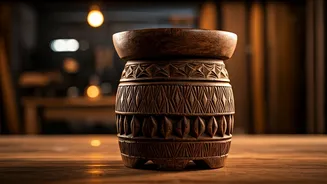
To create an Asante stool that truly resonates with its cultural heritage, a deep appreciation for its traditional design is paramount. These stools are not merely functional objects but are often adorned with symbolic carvings and possess distinct proportions. Dedicate time to research authentic Asante stool designs through visual resources, books, or by observing examples in cultural institutions. Understanding the nuances of their shape, the significance of various patterns, and the overall aesthetic balance is key. While honoring tradition is important, this understanding also provides a solid base for infusing your personal artistic vision, allowing for a unique interpretation that remains respectful of the stool's origins.
Essential Tools & Materials
Before commencing the creation of your Asante stool, ensure you have assembled all the necessary tools and materials. A foundational set of woodworking implements will be required, including a reliable saw for cutting, a collection of chisels for detailed shaping, sandpaper for smoothing surfaces, and wood glue for secure assembly. Paramount to any woodworking endeavor is personal safety; therefore, always have protective gear readily available, such as safety goggles to shield your eyes and durable gloves to protect your hands. The quality of your materials directly impacts the final appearance and durability of the stool. Investing in good quality wood and tools will not only contribute to a more aesthetically pleasing finished product but will also ensure it stands the test of time.
Step-By-Step Crafting
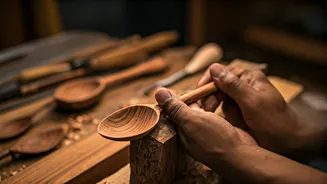
The process of bringing an Asante stool to life begins with careful planning and execution. Start by conceptualizing your design and sketching it out on paper. Once satisfied, transfer these outlines onto your chosen piece of wood using a pencil, creating clear guidelines for your carving. Employ your chisels with precision and care, working to excavate intricate patterns or shapes without inadvertently damaging adjacent areas of the wood. After the primary carving is complete, thoroughly sand down any rough edges to ensure a smooth finish that is pleasant to the touch. This meticulous attention to detail throughout the carving and finishing stages is vital for achieving a well-crafted stool ready for assembly.