
Halwa: An Introduction
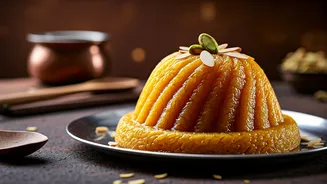
Kesari Halwa is a traditional Indian dessert, especially popular during religious festivals and special occasions. The name "Kesari" comes from the saffron
color imparted by the addition of saffron strands. This dish is primarily made with semolina (suji), ghee (clarified butter), sugar, water, and flavored with cardamom and other ingredients like nuts and saffron. The key to a good Kesari Halwa lies in the perfect balance of ingredients and the cooking method, which ensures the semolina is cooked through, the flavors are well-blended, and the texture is soft and slightly grainy. It’s an essential part of many Hindu rituals and is often offered as prasad or bhog, symbolizing purity and devotion. Making Kesari Halwa involves a simple process, but the nuances of roasting the semolina, controlling the sugar syrup, and the choice of flavorings can significantly influence the final outcome. The dish has evolved across regions, with variations in ingredients and cooking techniques, adding to its rich culinary history. Despite the variations, the core essence of Kesari Halwa remains a delightful sweet treat.
Essential Ingredients
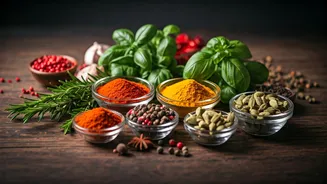
To prepare Kesari Halwa for the Saraswati Puja bhog, gathering the right ingredients is critical. The primary ingredient is semolina (suji), which forms the base of the halwa. High-quality ghee is essential, as it adds richness and flavor; the amount used significantly affects the halwa's texture. Sugar provides the sweetness, and the quantity can be adjusted to personal taste. Water is used to cook the semolina, allowing it to expand and soften. Saffron strands infuse the halwa with their distinct color and aroma, and cardamom pods add a warm, aromatic note. Nuts like cashews and almonds are optional, adding a delightful crunch and texture. The quantities are usually measured as 1 cup of semolina, 1 cup of sugar, and 3 cups of water. The ratio of ghee to semolina is critical for a good halwa. Using quality ingredients ensures the best results. Other possible additions are raisins, which introduce a chewy sweetness, and a few drops of rose water can be added for a floral aroma. Ensure you have fresh ingredients, especially ghee, which should be of excellent quality.
Preparing the Halwa
The preparation of Kesari Halwa involves a series of steps that determine its final taste and texture. Begin by roasting the semolina in ghee until it turns golden brown and releases a nutty aroma. This step is crucial for achieving the right texture and preventing the halwa from being sticky. Meanwhile, heat water in a separate saucepan and add sugar; let it simmer until the sugar dissolves. If using saffron, soak the strands in warm milk or water to release their color and flavor. Once the semolina is roasted, add the hot sugar syrup slowly, stirring constantly to prevent lumps. Be cautious as the mixture will bubble vigorously. Once the syrup is incorporated, add the saffron-infused liquid, cardamom powder, and nuts. Continue to cook, stirring occasionally, until the halwa thickens and the water is absorbed, leaving the halwa slightly moist and light. The final cooking step ensures the halwa has the right consistency. Remove from heat and allow it to rest for a few minutes before serving.
Serving and Bhog
Kesari Halwa is traditionally served warm, either as a standalone dessert or as part of a larger offering during religious ceremonies like Saraswati Puja. Before serving for the bhog, ensure the halwa is presented in a clean and aesthetically pleasing manner. Garnish the halwa with extra nuts and a few saffron strands for an appealing appearance. It is customary to offer the bhog to the deity before it is consumed, symbolizing respect and devotion. Offer a small portion of the Kesari Halwa, along with other items, such as fruits, sweets, and flowers, during the Puja. After the Puja, the prasad (blessed food) is distributed among family members and friends. The act of offering and consuming Kesari Halwa is a symbolic gesture, representing the sweetness of life and the blessings of the goddess. Enjoying the halwa connects individuals to their faith and the celebratory atmosphere. It is a simple, yet profound way to participate in the spiritual and festive aspects of Saraswati Puja in 2026.