





The Golden Spice's Power
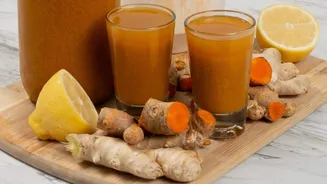
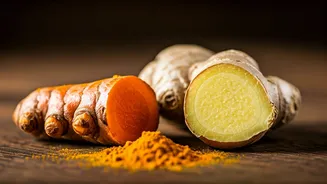
Turmeric, celebrated for its brilliant yellow hue, owes much of its renown to curcumin, its primary active compound. Curcumin constitutes roughly 3% of turmeric
by weight and is extensively researched for its potent anti-inflammatory capabilities, with potential roles in enhancing cognitive functions. A notable challenge with curcumin is its relatively low bioavailability, meaning the body doesn't absorb it efficiently on its own. To maximize its benefits, it's commonly advised to pair turmeric with black pepper, as piperine in pepper significantly boosts curcumin absorption. Beyond curcumin, turmeric offers trace amounts of essential vitamins like C and B6, which are crucial for maintaining a robust immune system and supporting brain health. Its earthy flavor profile makes it a staple in many Indian dishes, lending color and depth to curries and rice preparations, without overwhelming other ingredients.
Ginger's Zesty Punch
Ginger, a close relative of turmeric, is distinguished by its invigorating spicy flavor, largely attributed to gingerol. This key bioactive component not only delivers that characteristic warmth but also boasts significant antioxidant properties. Gingerol is recognized for its potential to alleviate nausea and ease muscle soreness. A distinct advantage of gingerol over curcumin is its superior absorption rate within the body, making its beneficial effects more readily available. Furthermore, ginger contains other valuable compounds, such as shogaols, which also contribute to its anti-inflammatory attributes. In terms of broader nutritional contributions, ginger provides vitamin C, alongside vital minerals like magnesium and potassium. These nutrients are instrumental in regulating essential bodily functions, including nerve signal transmission and muscle contractions. In culinary applications, ginger is incredibly versatile, adding a warm zest to beverages like tea and bringing a lively kick to stir-fried dishes.
Nutritional Synergy
Both turmeric and ginger are more than just flavor enhancers; they are nutritional powerhouses contributing essential vitamins to our diet. Turmeric offers modest amounts of vitamin C and vitamin B6, both vital for bolstering immune responses and promoting optimal brain function. Similarly, ginger is a source of vitamin C, complementing its profile with magnesium and potassium. These minerals play critical roles in maintaining the body's equilibrium, facilitating smooth nerve signaling and ensuring proper muscle functionality. When incorporated into meals, these spices don't just add taste; they deliver a synergistic blend of nutrients that support overall vitality and health. Their unique flavor profiles allow them to be used in diverse recipes, enriching dishes both gastronomically and nutritionally.