


Rhythmic Leg Lifts
Many vibrant African dance traditions incorporate dynamic leg lifts that serve as excellent exercises for overall fitness. These movements are designed
to significantly enhance the strength and flexibility of the thighs and hips, crucial areas for agility and stability. To perform this exercise, begin by standing upright with your feet positioned at shoulder-width apart, ensuring a stable base. Then, gracefully lift one leg out to the side, focusing on controlled movement and maintaining your balance throughout. Hold the extended position for a moment before slowly lowering the leg back to the starting position. It is recommended to complete several repetitions on one side before seamlessly transitioning to the other leg. The inherent rhythm found in these lifts not only makes the exercise enjoyable but also mimics the fluid motions of traditional cultural dances, making it an engaging way to work your lower body and improve your coordination.
Effortless Rope Skipping
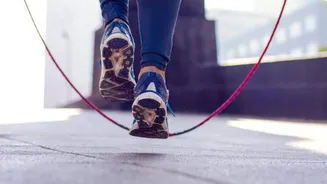
Rope skipping, a practice with deep historical roots in various African communities, offers a potent combination of cardiovascular conditioning and coordination training. The beauty of this exercise lies in its simplicity and accessibility; all that is required is a rope, or even the ability to simulate the motion if equipment is unavailable. Engaging in rope skipping dramatically elevates your heart rate, thereby improving cardiovascular health, while simultaneously refining your coordination and agility. Furthermore, it actively strengthens the musculature of your lower body, contributing to overall leg power and endurance. This versatile workout can be performed virtually anywhere, from open fields to indoor spaces, making it an exceptionally convenient option for maintaining an active lifestyle without the need for specialized facilities or equipment, proving that effective fitness can be achieved with the most basic of tools.
Ground-Based Flexibility
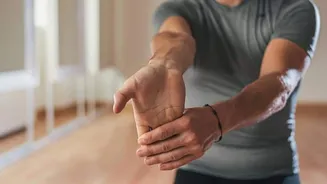
Inspired by the practical demands of daily life in many African societies, such as agricultural work and gathering, ground-based stretching routines are fundamental for maintaining suppleness and preventing stiffness. These movements closely resemble the natural bending, reaching, and twisting actions performed during chores, effectively targeting a wide array of muscle groups including the back, legs, and arms. By integrating these fluid, earth-connected stretches into your fitness regimen, you can achieve a marked improvement in your overall flexibility and significantly reduce any accumulated muscle tension. Consistent engagement with these practices is vital for preserving joint mobility and ensuring ease of movement, particularly as individuals age, helping to maintain an active and functional lifestyle throughout the years.
Natural Resistance Training
In many African communities where access to modern gym equipment is often limited, the ingenious use of natural objects like stones and other readily available items serves as a foundation for effective resistance training. This resourceful approach to building muscle strength bypasses the need for sophisticated machinery, relying instead on the inherent weight and form of everyday elements. Activities such as lifting stones overhead or carrying them over distances while walking provide a comprehensive, full-body workout that effectively enhances muscular power and boosts overall endurance. This method demonstrates how functional strength can be cultivated using the environment, promoting a robust physique and improving physical resilience through practical, accessible means that are deeply integrated into community life and tradition.
Tree Pose Balance
The serene and stable Tree Pose draws inspiration directly from observing the natural world, specifically emulating the unwavering posture and graceful resilience of trees. This fundamental exercise is exceptionally effective at enhancing balance and significantly strengthening the core muscles, which are vital for maintaining good posture and body control. To execute the pose, stand on one leg, grounding yourself firmly, and then place the sole of your other foot against the inner thigh or calf of your standing leg, ensuring a comfortable and stable connection. Hold this elevated position for a sustained period, allowing your body to find its equilibrium, before gently switching to the other leg. Regular and consistent practice of the Tree Pose is paramount for developing superior balance over time, contributing to greater stability in everyday movements and reducing the risk of falls.