




Egg-Free Baking Basics
Embarking on egg-free baking requires understanding the role eggs play and how to substitute them effectively. Eggs contribute to the structure, moisture,
and leavening of cakes. To replicate these functions, various alternatives come into play. Applesauce, mashed bananas, and yogurt are excellent choices for adding moisture and binding ingredients. For leavening, baking powder and baking soda are key; ensure these are fresh for optimal results. Consider using a combination of substitutes, and always measure ingredients accurately to achieve the desired results. Properly measuring dry and wet ingredients separately is very important for the final outcome, making sure your cake is light and fluffy.
Liquid Substitutions
When replacing eggs, the liquid component is critical. Unsweetened applesauce provides moisture and adds a subtle sweetness. Mashed bananas also work, but their flavor will be noticeable. Yogurt, especially plain or vanilla, adds moisture and helps create a tender crumb. For each egg called for in a recipe, use about 1/4 cup of applesauce or mashed banana, or 1/4 cup of yogurt. Ensure that the liquid substitute is well-incorporated into the batter. Adjust the amount of other liquids in the recipe, such as milk or water, to maintain the correct batter consistency. Experimenting with different liquid substitutes allows you to find your preferred flavor profile and texture.
Dry Ingredient Adjustments
The dry ingredients can significantly impact the outcome of an egg-free cake. The most important thing is to ensure you measure all ingredients accurately. Baking powder and baking soda are the workhorses of leavening, and their freshness is paramount. If you're using baking soda, be sure to include an acidic ingredient, like lemon juice or vinegar, to activate it. Some recipes may benefit from a small amount of cornstarch to improve the cake's structure. Sifting the dry ingredients together before adding them to the wet ingredients helps prevent lumps and ensures a more even distribution of the leavening agents. Carefully following the recipe and taking your time will yield the best results.
Mixing Techniques Matter
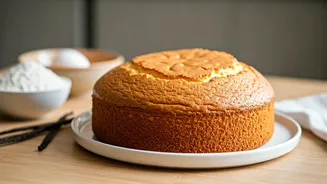
How you mix the batter is key in egg-free baking. Overmixing can develop too much gluten, resulting in a tough cake. Begin by creaming together the fats and sugars until light and fluffy. Gradually add the wet ingredients, alternating with the dry ingredients. Mix until just combined, ensuring there are no streaks of flour remaining. Gently folding in any additional ingredients, such as chocolate chips or nuts, helps maintain the batter's airiness. Avoid overmixing, as it could result in a denser cake. Consistent and careful mixing will create a perfect, spongy texture.
Baking Temperature & Time
Maintaining the correct baking temperature and time is crucial for success. Preheat your oven and use an oven thermometer to ensure accuracy. Baking at the correct temperature allows the cake to rise properly and cook evenly. The baking time may vary based on the recipe and the size of your cake pans. Start checking for doneness a bit before the suggested time. Insert a toothpick into the center of the cake; if it comes out clean or with a few moist crumbs, the cake is ready. Avoid opening the oven door frequently while baking, as it can cause the cake to collapse. Monitoring the bake carefully ensures a perfectly cooked, spongy cake.
Troubleshooting Tips
Egg-free baking might pose certain challenges, but understanding potential issues helps. If your cake is dense, the leavening agents might be old or the batter was overmixed. If the cake is dry, you might have used too much flour or baked it for too long. Adjusting liquid ingredients can help with dryness. If your cake sinks in the middle, it could be underbaked or the oven temperature wasn't hot enough. Ensuring all ingredients are at room temperature can also improve results. With practice, you'll become more confident in identifying and solving issues, making egg-free baking a rewarding experience.