


Drainage is Key
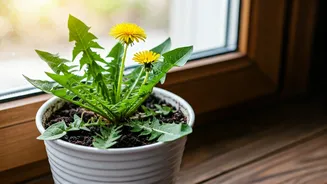
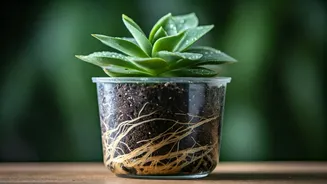
The foundation of preventing root rot lies in the container you choose for your plants. Opting for pots equipped with ample drainage holes is paramount.
These apertures serve as essential escape routes for surplus water, thereby averting the stagnant, waterlogged soil conditions that suffocate plant roots. When water accumulates without a means to exit, it creates an oxygen-deprived environment, which is a breeding ground for decay and fungal infections that attack the root system. Therefore, before introducing any soil and plant, meticulously inspect your chosen vessel to confirm it possesses adequate aeration and drainage capabilities, setting the stage for healthier roots from the outset.
Soil Mix Matters
The composition of your potting medium plays a crucial role in managing moisture levels and promoting root health. Standard garden soil often retains an excessive amount of water, significantly elevating the risk of root rot. To combat this, it's advisable to utilize a specialized potting mix engineered for superior drainage. Alternatively, you can enhance the aeration of regular soil by incorporating materials like perlite or coarse sand. These additions create air pockets within the soil, facilitating the free movement of water and preventing it from pooling around the delicate root structures. A well-aerated soil environment ensures roots can breathe and thrive.
Water Wisely
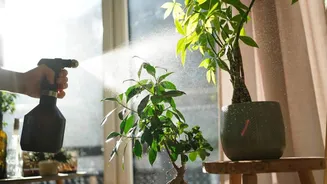
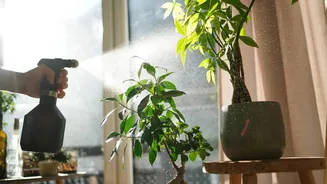
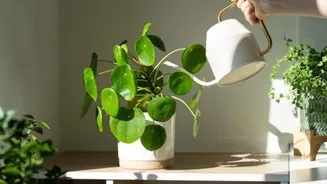
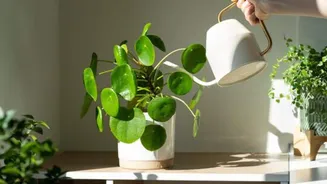
One of the primary culprits behind root rot is the simple act of overwatering. It's vital to develop a watering regimen that aligns with the specific requirements of each plant and its surrounding environmental factors. A reliable method to gauge when your plant needs a drink is to check the top inch of soil. If this layer feels dry to the touch, it's generally time to water. Conversely, if the soil remains consistently damp, it indicates that you might be overdoing it. This mindful approach to hydration ensures that plant roots receive the moisture they need without being submerged, thereby preventing the anaerobic conditions that foster rot.
Light for Health
Adequate light exposure is a critical, often overlooked, factor in maintaining plant vitality and warding off root rot. Plants that are starved of sufficient light struggle to utilize water efficiently, which can lead to a buildup of excess moisture in the soil. This persistently damp environment can then trigger the onset of root rot. By ensuring your plants receive the appropriate amount of light – whether through natural sunlight or supplemental grow lights, depending on their specific needs – you help regulate soil moisture levels. Proper lighting supports robust photosynthesis and overall plant health, making them more resilient.
Observe Your Plants
Proactive observation of your plants is your first line of defense against the insidious spread of root rot. Regularly inspect your greenery for any subtle changes in appearance, such as leaves that are unexpectedly yellowing or a general wilting, even when the soil seems moist. These symptoms can serve as early indicators of compromised root health or imbalanced watering practices. By promptly identifying and addressing these warning signs, you can intervene before the problem escalates, safeguarding your plants from significant damage and ensuring they continue to flourish in a healthy state.