






Debunking Common Myths
Despite its long history, bariatric surgery remains a subject of widespread misunderstanding, often viewed as a superficial solution rather than a serious
medical intervention for obesity and related conditions. A prevalent myth is that obesity stems solely from a lack of willpower, ignoring the complex biological mechanisms, including the body's internal weight set point, which actively resists sustained weight loss through diet alone. Contrary to fears of danger, modern surgical techniques, including robotic assistance, have drastically reduced complication rates to approximately 4%. Furthermore, the primary aim isn't cosmetic; it's to significantly improve health by treating conditions like Type 2 diabetes, hypertension, and sleep apnea. The idea of 'instant results' is also misleading, as successful outcomes necessitate lifelong dedication to altered eating patterns, consistent vitamin supplementation, and regular physical activity; without these lifestyle adjustments, the surgery's benefits can diminish over time.
Choosing Surgical Pathways
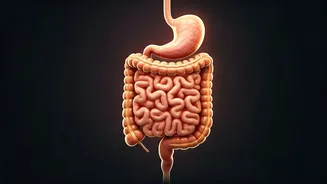
Selecting the appropriate bariatric procedure is a personalized decision driven by an individual's unique health profile and needs. Over decades, surgical techniques have evolved to prioritize patient safety and long-term efficacy. The Sleeve Gastrectomy, currently the most frequently chosen option, involves removing about 80% of the stomach, which effectively curtails the production of hunger-inducing hormones and boasts a low complication rate. Gastric Bypass surgery is widely recognized as the premier treatment for severe Type 2 diabetes, achieving rapid metabolic improvements by altering the digestive tract to better control blood sugar. For more challenging cases, the Biliopancreatic Diversion with Duodenal Switch (BPD/DS) offers the highest potential for substantial weight loss and diabetes remission, though it demands stringent adherence to nutritional guidelines. Crucially, research indicates impressive long-term durability; studies show that between five and twenty years post-surgery, a majority of patients sustain significant weight loss and maintain control over their metabolic diseases.
Physiological Transformation Explained
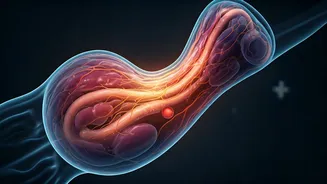
The evolution of bariatric surgery has shifted focus from mere mechanical restriction to profound physiological changes. Initially, procedures primarily aimed at reducing stomach size to limit food intake. Today, the understanding emphasizes a complex biochemical reset. By rerouting the digestive tract, these surgeries fundamentally alter the communication pathways between the gut and the brain. This biochemical cascade is why many patients experience immediate improvements, particularly in Type 2 diabetes, sometimes even before significant weight loss occurs. The surgery helps regulate appetite by diminishing intense cravings and enhancing satiety signals, effectively recalibrating the body's hormonal balance. Beyond weight management, these procedures positively impact cardiovascular health and the endocrine system by reducing inflammation and improving insulin sensitivity, thereby lowering the risk of heart attacks and strokes. The outcome is a healthier metabolic state where the body no longer operates in a perceived state of starvation, facilitating sustainable weight management.
Overcoming Societal Barriers
Persistent societal judgments surrounding obesity act as significant barriers, perpetuating the myths surrounding bariatric surgery. When obesity is perceived as a moral failing rather than a chronic medical condition, surgical interventions are often wrongly dismissed as an 'easy way out.' However, for individuals with a Body Mass Index (BMI) exceeding 40, the likelihood of achieving a healthy weight through lifestyle changes alone is less than 1%. The ongoing advancement in medical technology necessitates a paradigm shift in how we discuss obesity, moving from an exclusive focus on weight loss to an emphasis on metabolic health. This includes advocating for earlier interventions to address metabolic issues before they lead to irreversible damage to vital organs like the heart and kidneys. Dispelling these long-standing myths is not merely about correcting misinformation; it is an essential step towards improving public health outcomes and ensuring access to life-changing treatments.