







Kidney Disease: Not Rare
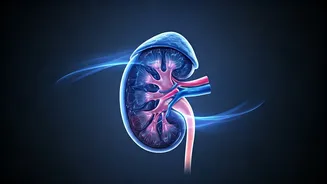
Contrary to popular belief, kidney disease is a prevalent condition, affecting a significant portion of the population. A troubling aspect is that many
individuals remain unaware they have it, as early stages often present no discernible symptoms. This silent progression means that by the time noticeable signs emerge, substantial damage may have already occurred. Even seemingly minor fluctuations in key indicators, like creatinine levels, which might be overlooked, can actually signify a notable decline in kidney function. It's crucial to recognize that kidney disease is far more common than often assumed, and proactive awareness is key to early detection and management.
Dialysis: Not a Cure
A significant misunderstanding surrounds dialysis and its role in kidney disease. It's vital to grasp that dialysis is not a cure for kidney disease; rather, it serves as a life-sustaining intervention that temporarily assumes some of the kidneys' vital functions to maintain bodily equilibrium. For acute kidney injury (AKI), dialysis may indeed be a temporary measure. However, in the context of advanced chronic kidney disease (CKD), it frequently represents a long-term, and often lifelong, necessity, unless a kidney transplant becomes a viable option. Understanding this distinction is paramount for patients managing their condition.
Hydration and Diet Pitfalls
When it comes to kidney health, dietary advice is often mired in myth. While staying hydrated is generally good advice, excessive water intake isn't universally beneficial. For individuals with advanced chronic kidney disease (CKD), fluid intake often requires careful regulation to prevent complications. Furthermore, the notion that all kidney patients should adhere to a uniform diet is a dangerous oversimplification. Kidney-specific diets are highly personalized. The popular idea that high-protein diets are always healthy can actually place undue strain on compromised kidneys. In many instances, plant-based protein sources offer a more suitable and kidney-friendly alternative for individuals with kidney issues.
Remedies and Medications Dangers
Another area fraught with misinformation involves alternative remedies and common medications. Many herbal or indigenous remedies promoted for kidney health are unregulated and can pose significant risks. These concoctions may contain hidden toxins or heavy metals that can, in fact, exacerbate kidney damage rather than provide any benefit. Similarly, over-the-counter painkillers, particularly nonsteroidal anti-inflammatory drugs (NSAIDs), should be used with extreme caution. Regular or excessive consumption of these common pain relievers can lead to silent, progressive kidney damage over time. It's essential to approach any treatment or remedy with a critical eye and consult healthcare professionals.