



Embrace Multi-Functional Pieces
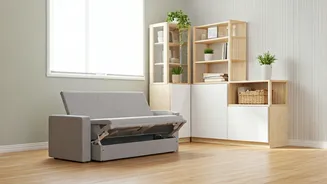
When dealing with limited square footage, the secret weapon is furniture that can pull double duty. Think beyond single-use items and opt for pieces that adapt
to your needs. A sofa that cleverly transforms into a comfortable bed is ideal for hosting guests without dedicating permanent space. Similarly, ottomans that double as hidden storage can house blankets, books, or electronics, keeping your main living area free from clutter. Investing in these versatile items allows you to streamline your decor, reducing the sheer number of individual pieces while enhancing both the utility and aesthetic appeal of your room. This approach is all about smart utility, ensuring that each item contributes more than one function to your home's design.
Utilize Vertical Dimensions
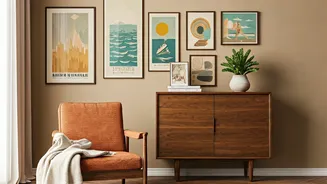
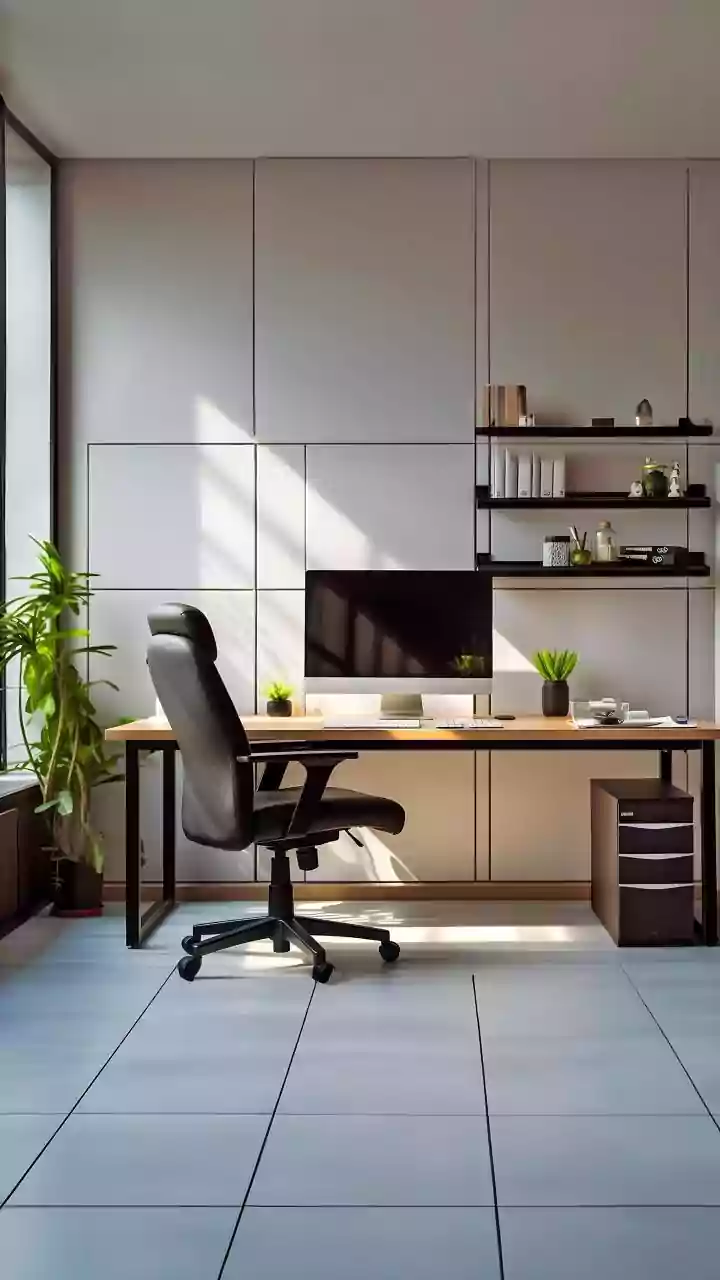
Don't let your floor space be the sole focus when arranging furniture in tight quarters. Instead, shift your attention upwards and leverage vertical real estate to your advantage. Installing wall-mounted shelving units can provide ample storage for books, decorative items, or everyday essentials without encroaching on walking paths. Tall, slender bookcases draw the eye upward, creating an illusion of greater height and freeing up valuable floor area. Consider hanging storage solutions for items like coats or even small appliances. By strategically utilizing the vertical expanse, you can keep your room tidy and organized, making it feel more open and less cramped, effectively doubling your usable space without adding any extra furniture footprint.
Opt for Light and Airy Tones
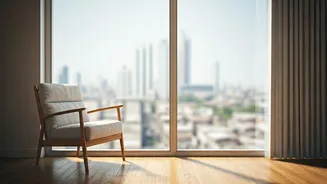
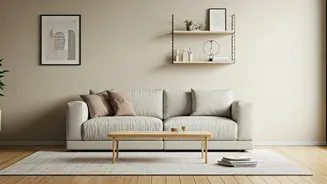
The psychology of color plays a significant role in how we perceive space. In smaller rooms, embracing lighter color palettes can dramatically enhance the feeling of spaciousness and openness. Walls painted in soft whites, creamy beiges, or subtle pastels reflect more light, making the room appear larger and brighter. The same principle applies to your furniture and textiles. Choose upholstery and decor in lighter shades, and opt for fabrics like cotton or linen, which inherently possess a lighter, airier quality. This deliberate selection of light colors and materials creates a more expansive atmosphere, contributing to a serene and visually appealing environment that feels less confined.
Strategic Layout Planning
Thoughtful placement of your larger furniture items is paramount to creating a comfortable and functional small space. A highly effective technique involves positioning substantial pieces, such as sofas or bed frames, against the perimeter walls. This strategy opens up the central area of the room, establishing clear pathways for movement and preventing a feeling of being boxed in. In open-concept layouts, strategically placed area rugs can serve as visual dividers, delineating distinct zones for living, dining, or working without the need for physical barriers. It's crucial to ensure adequate space for easy passage between furniture pieces, balancing the need for style with practical usability and maintaining a sense of flow throughout the area.
Maintain a Tidy Environment
Consistent decluttering is not merely about aesthetics; it's a fundamental necessity for maintaining the functionality and charm of a small living area. Regularly assess your belongings and identify items that are no longer frequently used or essential. Removing these excess possessions will immediately create a more organized and visually appealing environment. Employ smart storage solutions such as decorative baskets, bins, or hidden compartments within furniture to discreetly house smaller items. Keeping these frequently used, but potentially messy, objects out of sight not only tidies up surfaces but also ensures they remain readily accessible when needed, contributing to a perpetually neat and manageable space.