







Decoding Blue Light's Effect
Blue light, a component of visible light emitted by digital devices, has gained attention for its potential to interfere with sleep by suppressing melatonin.
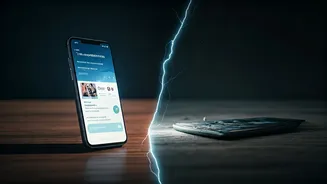
However, it's crucial to note that the intensity of blue light from screens pales in comparison to natural sunlight. While excessive screen time can indeed lead to digital eye strain, the specific contribution of blue light to this fatigue is still a subject of ongoing scientific discussion and debate. Understanding this nuance is key to evaluating the actual impact of devices designed to filter these wavelengths.
Eye Strain From Screens
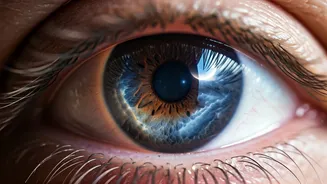
Prolonged engagement with digital screens frequently results in a condition known as digital eye strain, also referred to as computer vision syndrome. This discomfort manifests through symptoms like dry eyes, blurred vision, and headaches. While blue light might play a part in screen-related fatigue, it's not the sole culprit. Other factors, such as the brightness of the display, annoying glare, and suboptimal posture during use, are often more significant contributors to the strain experienced. Implementing strategies like taking frequent breaks and optimizing your workspace ergonomics might offer more tangible relief than relying solely on specialized eyewear.
Sleep Disruption Myths
The popular notion that blue light glasses substantially enhance sleep quality is largely based on their capability to block certain blue light frequencies. While they might indirectly assist some individuals by encouraging reduced screen use before bedtime, scientific studies have yielded mixed results regarding their long-term efficacy in promoting better sleep architecture. The actual impact on sleep patterns can vary widely among individuals, suggesting that other lifestyle factors and sleep hygiene practices might be more decisive in achieving restful nights.
Practical Alternatives for Health
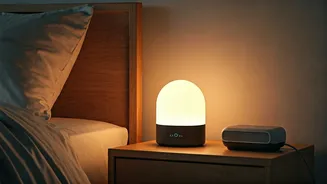
Rather than placing all your faith in blue light filtering glasses, exploring a broader range of strategies for managing eye strain and improving sleep hygiene is highly recommended. Simple adjustments like modifying your screen's brightness to a comfortable level, employing anti-glare filters, and diligently practicing the 20-20-20 rule – which involves taking a 20-second break every 20 minutes to focus on an object 20 feet away – can make a considerable difference. To cultivate better sleep habits, establishing a consistent bedtime routine and consciously limiting exposure to screens in the hours leading up to sleep are more robust and scientifically supported approaches for overall well-being.